Radical Acceptance: The Art of Letting Go to Heal
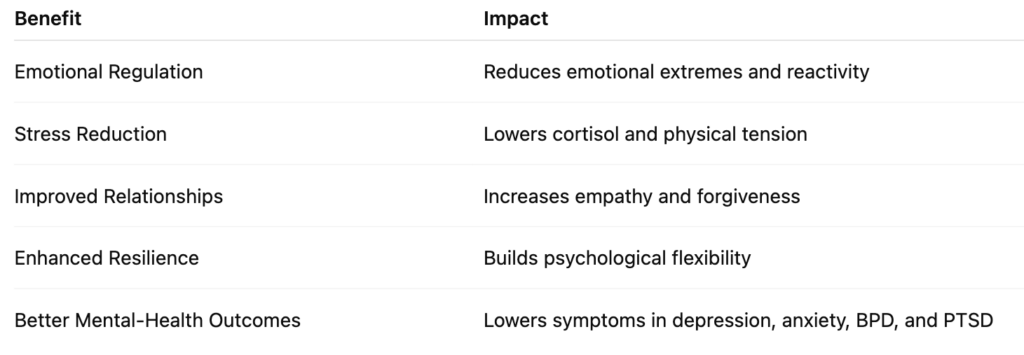
Key Takeaways Radical acceptance means fully acknowledging reality as it is—without judgment or resistance—so healing can begin. It’s a core skill in Dialectical Behavior Therapy (DBT) that helps reduce emotional suffering by separating pain from resistance. Acceptance isn’t approval or giving up—it’s recognizing truth so you can act effectively instead of fighting what you can’t […]
Medication vs. Psychotherapy for Mental Health: Finding the Right Balance

Key Takeaways Both medication and psychotherapy are effective—combined, they often deliver superior outcomes. Medication addresses brain chemistry; therapy reshapes thought and behavior. Combined care boosts recovery rates for depression, anxiety, ADHD, and more. Therapy alone can suffice for mild cases; medication is essential for severe disorders. Integrative Psych in NYC and Miami offers collaborative, evidence-based […]
Borderline Personality Disorder Medication: Treatment Insights
Understanding Borderline Personality Disorder (BPD) What is BPD? Borderline Personality Disorder (BPD) is a complex mental health condition that affects the way individuals think and feel about themselves and others. Characterized by a pervasive pattern of instability in interpersonal relationships, self-image, and emotions, BPD can lead to significant challenges in daily functioning. Those with BPD […]
Signs Your Antidepressant Dose Is Too Low: Key Indicators & Next Steps

If your antidepressant dose is too low, symptoms like sadness, fatigue, or poor focus may persist even after several weeks. Talk with your healthcare provider about your ongoing symptoms—they can adjust your dosage or treatment plan. Combining medication with therapy and healthy habits like exercise and mindfulness can improve overall recovery and well-being.
Stress Management: Strategies and Effective Techniques

Discover effective stress management strategies and techniques, including mindfulness, exercise, and cognitive-behavioral methods to enhance mental well-being.
Using CBT Workbooks for Anxiety Management
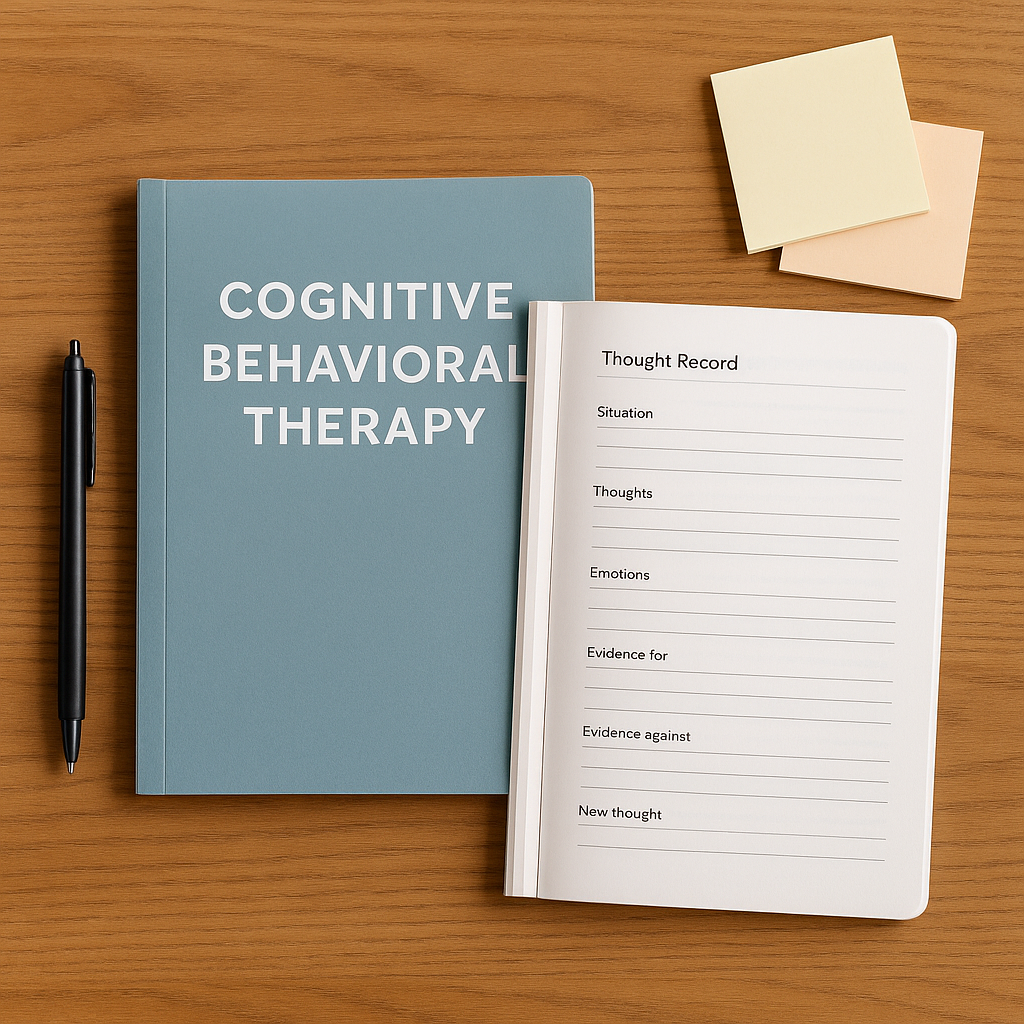
Anxiety can be an overwhelming experience, often leaving one feeling trapped in a cycle of worry and overthinking. Cognitive Behavioral Therapy (CBT) offers a structured way to address these feelings through practical exercises and worksheets. These tools provide a pathway for individuals to understand and manage their anxiety more effectively. In this article, we’ll explore […]
Effective Medication Management in Psychiatry

Medication management in psychiatry is essential for effective mental health care. It involves monitoring medication prescription and adherence to enhance treatment outcomes for conditions like anxiety and depression. Key strategies include evidence-based prescribing, personalized treatment plans, and collaboration between clinician and patient. By simplifying regimens and addressing side effects, medication adherence is improved, ensuring a holistic approach to psychiatric treatment.
Avoidant Attachment Therapy: Expert Insights
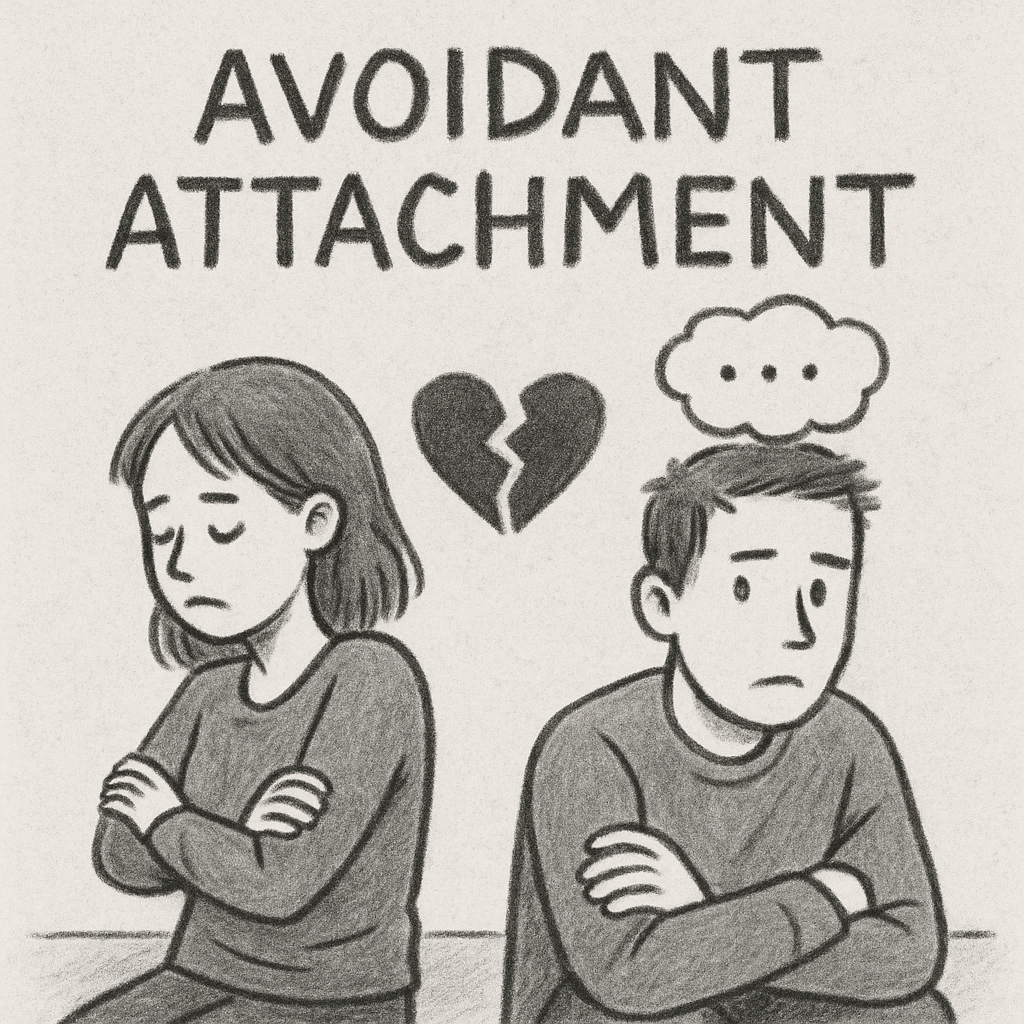
Understanding Avoidant Attachment: Therapy Insights Avoidant attachment can have a significant impact on personal relationships and emotional well-being. It’s a concept rooted in attachment theory, which suggests that our early relationships with caregivers shape how we relate to others throughout life. This influence extends beyond childhood, affecting how we interact with partners, friends, and even colleagues. If you or someone you know struggles with avoidant attachment, understanding its nuances and seeking appropriate therapy can lead to healthier, more fulfilling relationships. Recognizing the signs of avoidant attachment is the first step in addressing these deeply ingrained patterns and creating a pathway to change. Avoidant attachment is one of the four primary attachment styles identified in attachment theory. Individuals with this attachment style often have difficulties with intimacy, closeness, and relying on others. They might appear distant or emotionally unavailable, which can be challenging for their partners or friends who seek deeper connections. This style often develops as a protective mechanism, where individuals learn to rely on themselves rather than risk disappointment from others. Understanding the origins and manifestations of avoidant attachment can provide valuable insights into personal behavior and relationship dynamics. Common Behaviors People with avoidant attachment often exhibit certain behaviors, such as: Emotional Distance: They maintain a level of emotional distance to protect themselves from potential hurt. This distance can manifest as reluctance to share personal thoughts and feelings, even with those they care about deeply. Their emotional self-sufficiency often serves as a shield against vulnerability. Self-Reliance: A strong desire to be self-reliant and independent, often avoiding asking for help. This characteristic can lead to challenges in teamwork or collaborative environments, where reliance on others is key. The emphasis on independence can sometimes be misinterpreted as aloofness or disinterest. Difficulty with Intimacy: Challenges in forming deep emotional connections or expressing feelings. People with avoidant attachment might prioritize superficial interactions over meaningful engagements to avoid potential rejection. This can lead to frustration in relationships where partners seek a deeper emotional bond. Fear of Dependency: Concern about becoming dependent on others, leading to a reluctance to open up. This fear often stems from past experiences where dependency was met with disappointment or abandonment. The reluctance to depend on others can hinder the development of trust and mutual support in relationships. Understanding these characteristics can help in recognizing avoidant attachment in oneself or others and provides a foundation for seeking therapy. Identifying these traits is crucial in acknowledging the need for change and seeking professional help to address and modify these behaviors. The Value of Therapy for Avoidant Attachment Therapy can be an invaluable resource for individuals struggling with avoidant attachment. Working with a therapist can help uncover the root causes of attachment issues and provide strategies to overcome them. Therapy offers a structured environment to explore and address the underlying fears and misconceptions that fuel avoidant behaviors. Here are some reasons why therapy can be beneficial: A therapist specializing in attachment styles can help you explore early childhood experiences that may have contributed to the development of an avoidant attachment style. Understanding these root causes is the first step towards healing and change. By revisiting and processing these formative experiences, individuals can begin to dismantle the barriers that have been built over time. This exploration often involves examining family dynamics and identifying patterns that have been unconsciously carried into adulthood. Therapists can guide individuals in understanding their relationship patterns and provide tools to develop healthier ways of interacting with others. This might involve learning to express emotions more openly or practicing vulnerability in relationships. Effective therapy encourages new ways of thinking and interacting, replacing old, unhelpful patterns with constructive ones. Through role-playing and other therapeutic techniques, individuals can practice new behaviors in a safe environment before applying them in real-life situations. Therapy can help individuals with avoidant attachment become more aware of their emotions and how they affect their interactions with others. By building emotional awareness, they can learn to communicate more effectively and build stronger connections. Emotional awareness involves recognizing and naming emotions, as well as understanding their impact on behavior and relationships. Over time, individuals can develop a greater capacity for empathy and emotional attunement, which are essential for nurturing intimate relationships. Types of Therapeutic Approaches There are several therapeutic approaches that can be effective for addressing avoidant attachment. Each approach offers unique techniques and perspectives to address the complexities of avoidant behaviors. Here are a few options: CBT focuses on identifying and changing negative thought patterns that contribute to avoidant behaviors. By challenging these thoughts, individuals can develop healthier attitudes towards relationships and intimacy. CBT emphasizes the connection between thoughts, emotions, and behaviors, encouraging individuals to replace negative beliefs with positive, realistic ones. This approach provides practical strategies for managing stress and anxiety, which often accompany avoidant attachment. This form of therapy specifically addresses attachment issues by exploring past experiences and their impact on current relationships. It aims to build a secure attachment style through therapeutic relationships and guided exercises. Attachment-based therapy often involves creating a safe space where individuals can explore their fears and develop trust in the therapeutic process. This approach helps individuals understand the influence of early attachments on their current relationship dynamics, promoting healing and growth. EFT is designed to help individuals and couples understand their emotional responses and improve their emotional bonding. It’s particularly useful for those struggling with intimacy and emotional expression. EFT focuses on the emotional undercurrents that drive relational dynamics, helping individuals identify and change maladaptive patterns. This therapy supports the development of secure attachments by fostering emotional responsiveness and closeness in relationships. When seeking help for avoidant attachment, finding the right therapist is crucial. The therapeutic relationship is a key factor in the success of therapy, making it important to choose a therapist who is both skilled and a good fit personally. Here are some tips to consider: Search for therapists who specialize in attachment issues or have experience working with avoidant attachment. They will be more equipped to provide targeted interventions. Specialized therapists are often more familiar with the nuances of attachment-related challenges, offering insights and strategies tailored to individual needs. Their expertise can accelerate the healing process and provide a more focused therapeutic experience. Different therapists may use various approaches, so consider what type of therapy resonates with you. Whether it’s CBT, attachment-based therapy, or another method, finding a good fit can enhance the therapeutic process. Understanding your preferences and goals can guide you in selecting a therapist whose methods align with your needs. A clear understanding of the therapeutic approach can also set realistic expectations for the process and outcomes of therapy. Choose a therapist you feel comfortable with and who is accessible. This could mean finding someone local or offering teletherapy sessions if that suits your needs better. Comfort and accessibility are critical for establishing trust and openness in therapy. An accessible therapist can accommodate your schedule and provide consistent support, whether through in-person sessions or virtual meetings. Feeling at ease with your therapist encourages honest communication and fosters a productive therapeutic relationship. Here’s a revised version of the section “What Can You Do?” that focuses on how avoidant attachment intersects with other mental health diagnoses: What Can You Do? While therapy is a […]
Effexor Withdrawal: Risks, Symptoms & Safe Weaning
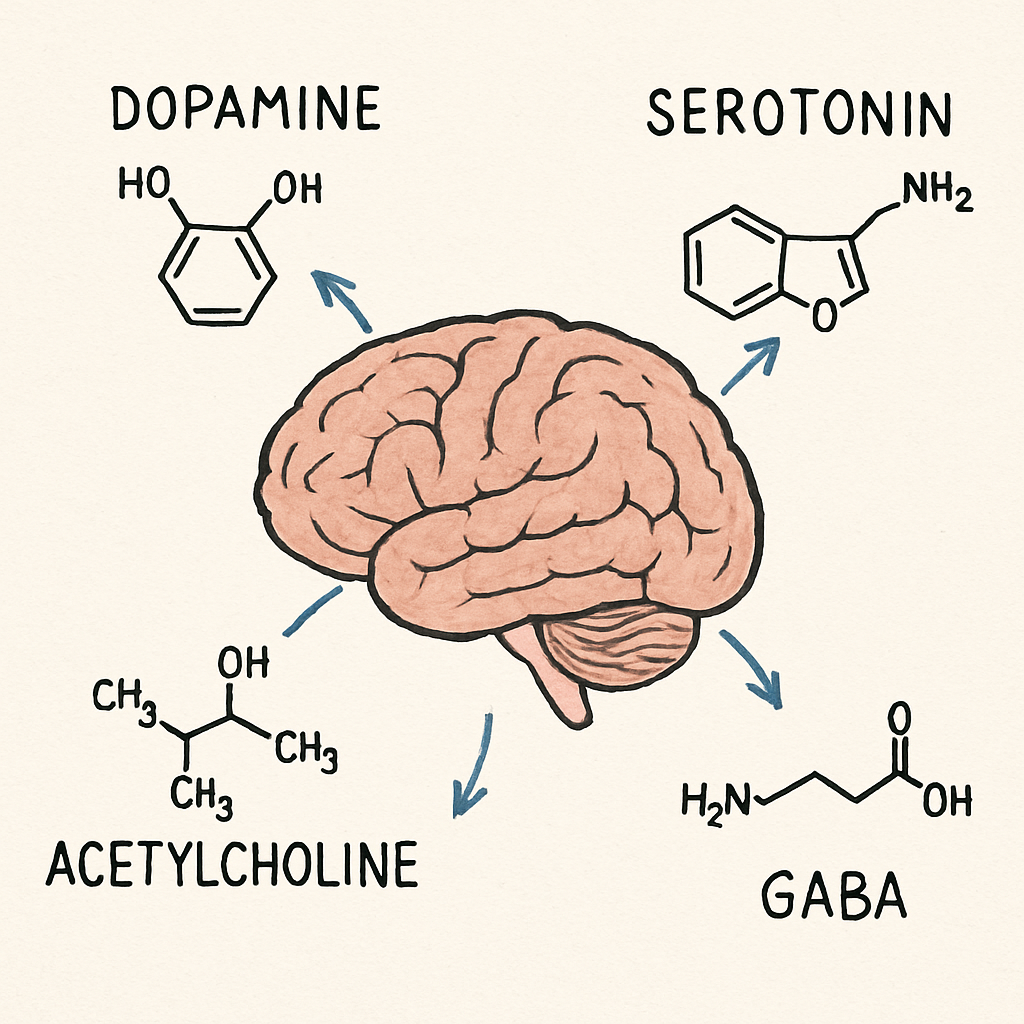
Understanding Effexor Withdrawal: Risks and Safety Effexor, known generically as venlafaxine, is a widely prescribed antidepressant used to treat major depressive disorder, anxiety, and panic disorder. Its effectiveness in managing these conditions has made it a popular choice among healthcare providers. However, like many medications, discontinuing Effexor can lead to withdrawal symptoms, a process that requires careful management. Understanding these symptoms and how to manage them is crucial for anyone considering discontinuing the medication. In this article, we’ll delve into the risks of Effexor withdrawal, explore safe discontinuation methods, and provide practical tips for managing withdrawal symptoms effectively. Effexor belongs to a class of medications called serotonin-norepinephrine reuptake inhibitors (SNRIs). These medications help increase the levels of serotonin and norepinephrine in the brain, chemicals that play a key role in mood regulation. By balancing these chemicals, Effexor can help alleviate symptoms of depression and anxiety, providing a sense of stability and emotional balance. Effexor works by blocking the reabsorption (reuptake) of serotonin and norepinephrine, allowing more of these neurotransmitters to be available in the brain. This increased availability enhances communication between nerve cells, which can improve mood and reduce anxiety. Understanding this mechanism is important for recognizing why discontinuing Effexor suddenly can lead to withdrawal symptoms, as the brain needs time to adjust to changes in neurotransmitter levels. When you stop taking Effexor, your brain needs time to adjust to the changes in neurotransmitter levels. This adjustment period can lead to withdrawal symptoms, which can be both physically and emotionally challenging. The intensity of these symptoms varies from person to person, depending on factors like dosage, duration of use, and individual body chemistry. Effexor withdrawal can be particularly challenging due to its impact on the brain’s delicate balance of neurotransmitters. The sudden reduction in serotonin and norepinephrine availability can lead to a rebound effect, causing symptoms that are sometimes more intense than the original condition being treated. This is why healthcare professionals often recommend a gradual tapering off the medication to allow the brain to slowly adjust to the lower levels of these chemicals. Common Venlafaxine Withdrawal Symptoms Withdrawal from Effexor can manifest in various ways. Some of the most common venlafaxine withdrawal symptoms include: Dizziness and Lightheadedness: A sensation of spinning or losing balance that can disrupt normal activities and increase the risk of falls. Nausea and Vomiting: Feeling sick to the stomach and potentially vomiting, which can lead to dehydration if not managed properly. Headaches: Persistent or severe head pain that can interfere with daily tasks and reduce quality of life. Irritability and Mood Swings: Sudden changes in mood or increased irritability, impacting relationships and social interactions. Insomnia: Difficulty falling or staying asleep, leading to fatigue and reduced cognitive function during the day. Fatigue: Feeling unusually tired or lethargic, making it hard to complete everyday tasks or engage in physical activities. Flu-like Symptoms: Fever, chills, and muscle aches that mimic the symptoms of a viral infection, adding to overall discomfort. Brain Zaps: Sudden, electric shock-like sensations in the brain that can be startling and distressing. These symptoms can range from mild to severe and can significantly impact daily life. Understanding and recognizing these symptoms can help individuals prepare for and manage the withdrawal process more effectively. How to Wean Off Effexor Safely The best way to minimize withdrawal symptoms is to gradually taper off the medication under the supervision of a healthcare professional. Here’s how to wean off Effexor safely: Consult Your Doctor: Before making any changes to your medication regimen, discuss your plan with your doctor. They can provide guidance on the best tapering schedule for you, taking into account your specific health needs and any other medications you may be taking. Gradual Dose Reduction: Your doctor will likely recommend slowly reducing your dose over several weeks or months. This gradual approach helps your brain adjust to the decreasing levels of medication, reducing the risk of severe withdrawal symptoms. Monitor Symptoms: Keep track of any withdrawal symptoms you experience. This information can help your doctor adjust your tapering schedule if needed, ensuring that the process remains as comfortable and safe as possible. Stay Informed: Understanding what to expect during the withdrawal process can help you manage symptoms more effectively. Educating yourself about potential challenges can also reduce anxiety and improve your overall experience. Seek Support: Consider joining a support group or seeking therapy to help cope with the emotional aspects of withdrawal. Having a strong support system can provide encouragement and practical advice from those who have been through similar experiences. Venlafaxine Withdrawal Timeline The timeline for venlafaxine withdrawal varies from person to person. Generally, withdrawal symptoms may begin within a few days of reducing your dose and can last anywhere from a few weeks to several months. Some individuals may experience prolonged withdrawal symptoms, known as post-acute withdrawal syndrome (PAWS), which can persist for months or even years. Factors Influencing Withdrawal Duration Duration of Use: The longer you’ve been taking Effexor, the longer withdrawal might last. Extended use allows the body to become more accustomed to the medication, making the adjustment period longer. Dosage: Higher doses may result in more intense withdrawal symptoms. The body must work harder to adjust to the absence of larger amounts of the medication. Individual Differences: Genetics, overall health, and other medications can affect withdrawal duration. Personal factors such as stress levels and lifestyle choices can also play a role in how long withdrawal symptoms persist. Managing Venlafaxine Withdrawal Relief While withdrawal can be challenging, several strategies can help alleviate symptoms: Stay Hydrated: Drinking plenty of water can help flush toxins from your body and reduce symptoms like nausea and headaches. Proper hydration is essential for overall health and can aid in the body’s recovery process. Exercise Regularly: Physical activity can boost mood and energy levels, helping to combat fatigue and irritability. Even light exercise, such as walking or yoga, can have significant benefits for mental and physical well-being. Eat a Balanced Diet: Proper nutrition supports overall health and can reduce withdrawal symptoms. A diet rich in fruits, vegetables, lean proteins, and whole grains provides essential nutrients that support brain function and mood regulation. Practice Relaxation Techniques: Activities like yoga, meditation, and deep breathing can help manage stress and anxiety. These practices can promote a sense of calm and improve resilience during the withdrawal process. Get Plenty of Rest: Ensure you’re getting enough sleep to support your body’s recovery process. Establishing a regular sleep schedule and creating a relaxing bedtime routine can improve sleep quality and reduce insomnia. Can Withdrawal from Effexor Kill You? Effexor withdrawal can be uncomfortable and distressing, but it is not typically life-threatening. However, severe withdrawal symptoms can interfere with daily functioning and may exacerbate mental health issues. It’s crucial to seek medical assistance if withdrawal becomes overwhelming or if you experience severe symptoms such as persistent depression, suicidal thoughts, or extreme anxiety. While the physical symptoms of withdrawal are generally not dangerous, the psychological impact can be significant. It’s important to prioritize mental health during this time and reach out for professional help if needed. Support from mental health professionals, friends, and family can make a significant difference in managing withdrawal symptoms and maintaining well-being. Conclusion: The Importance of Professional Guidance Effexor withdrawal is a challenging process, but with the right support and guidance, it can be managed effectively. Always consult with a healthcare professional before making any changes to your medication regimen. By following a structured plan and utilizing coping strategies, you can minimize withdrawal symptoms and ensure a safer, more comfortable transition off Effexor. Remember, you’re not alone in this journey. Reach out to friends, family, and mental health professionals for support. Your well-being is of the utmost importance, and taking the right steps can lead to a healthier, happier future. Building a strong support network and staying informed about the process can empower you to navigate withdrawal with confidence and resilience.
Psychodynamic Therapy: Principles, Benefits, and Effectiveness

Psychodynamic therapy explores the unconscious mind to uncover hidden emotions and past conflicts. It promotes self-awareness and personal growth, making it suitable for individuals facing long-standing emotional issues.