
Attention, Boredom, and ADHD

ADHD stands for Attention Deficit Hyperactivity Disorder. It is a neurodevelopmental disorder that affects both children and adults. ADHD is characterized by persistent inattention, impulsivity, and hyperactivity patterns that can interfere with daily functioning and development. Finding a Child Psychiatrist in New York who understands ADHD can be a crucial step in managing these symptoms effectively.
ADHD and Its Potential Impact on Mental Health
Attention-Deficit/Hyperactivity Disorder (ADHD) is a neurodevelopmental condition characterized by persistent patterns of inattention, impulsivity, and hyperactivity. Beyond its primary symptoms, ADHD can also serve as a risk factor for developing other mental health disorders.
Understanding Neurodivergence | A Comprehensive Guide

Neurodiversity, a term increasingly entering mainstream discourse, denotes the natural variation in human neurological functioning. It encompasses a broad spectrum of cognitive profiles, including autism spectrum disorder (ASD), attention deficit hyperactivity disorder (ADHD), dyslexia, and more. Rather than viewing these differences as deficits, neurodiversity celebrates the unique strengths and challenges inherent in individuals who think and process information differently from the societal norm. Here, we explore the concept of neurodivergence, and self-identification, offer support strategies, and shed light on its impact on daily life.
Is ADHD Genetic!?!
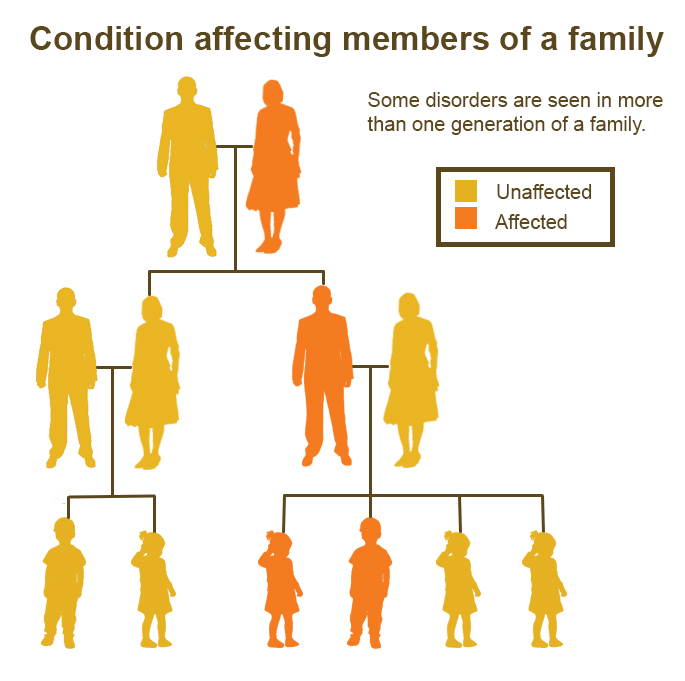
Genetics of ADHD Imagine your body as a vast collection of tiny communities or towns. Each cell is a town, and the towns contain roads and factories, and even a town library. In each library (the cell nucleus) there are instruction manuals that are necessary to help the town function. These instructions manuals are your […]
Enhancing Organizational Skills in Individuals with ADHD

Symptoms of inattention, impulsivity, and hyperactivity characterize Attention Deficit Hyperactivity Disorder (ADHD). These symptoms often lead to challenges in organizing thoughts, tasks, and activities. However, with tailored strategies, individuals with ADHD can bolster their organizational skills, enhancing productivity and reducing stress.
Understanding the Connection Between ADHD and Hypersexuality | A Comprehensive Guide
Attention-Deficit/Hyperactivity Disorder (ADHD) is a neurodevelopmental disorder characterized by symptoms such as inattention, hyperactivity, and impulsivity. One of the less frequently discussed aspects of ADHD is its potential connection to hypersexuality. Hypersexuality involves an increased preoccupation with sexual thoughts, urges, or behaviors that can significantly impact daily life and relationships. Understanding this connection is crucial for providing comprehensive care and support for individuals with ADHD.
Shedding Light on the Intersection of ADHD and Seasonal Affective Disorder in Children
ADHD (Attention-Deficit/Hyperactivity Disorder) and Seasonal Affective Disorder (SAD) are both complex mental health conditions that have garnered significant attention in recent years. While they may appear distinct on the surface, emerging research has shed light on a fascinating overlap between the two, particularly in the context of children. In this article, we will look deeper into the reasons behind the heightened susceptibility of children with ADHD to SAD and explore the implications for their ADHD symptoms. A Child Psychiatrist in New York would be well-equipped to address these interrelated concerns.
Neurofeedback and ADHD
Neurofeedback is a therapeutic technique that utilizes real-time feedback on brainwave activity to help individuals regulate and improve their brain function. By measuring and monitoring brainwave patterns through an electroencephalogram (EEG) with sensors placed on the scalp, neurofeedback aims to guide the brain towards more balanced and desired patterns. Many seeking Ketamine-Assisted Psychotherapy in New York explore adjunct treatments like neurofeedback to complement their therapeutic regimen.
Neurobiological Effects of Stimulant Medications on Children with ADHD | Insights from Neuroimaging Studies
Attention-Deficit/Hyperactivity Disorder (ADHD) is one of the most prevalent neurodevelopmental disorders affecting children worldwide. It is characterized by persistent patterns of inattention, hyperactivity, and impulsivity that impair daily functioning. While the behavioral manifestations of ADHD have been extensively studied, its underlying neural mechanisms have remained elusive until recent advancements in neuroimaging technology. In particular, neuroimaging studies have shed light on the abnormal brain function and structure observed in children with ADHD. These studies have indicated alterations in regions responsible for executive functions, attention, and reward processing. Furthermore, there has been growing interest in the potential effects of stimulant medications, the primary pharmacological treatment for ADHD, on brain structure and function. Psychiatrist For Anxiety in New York.
Life and ADHD Throughout Life | School to workplace
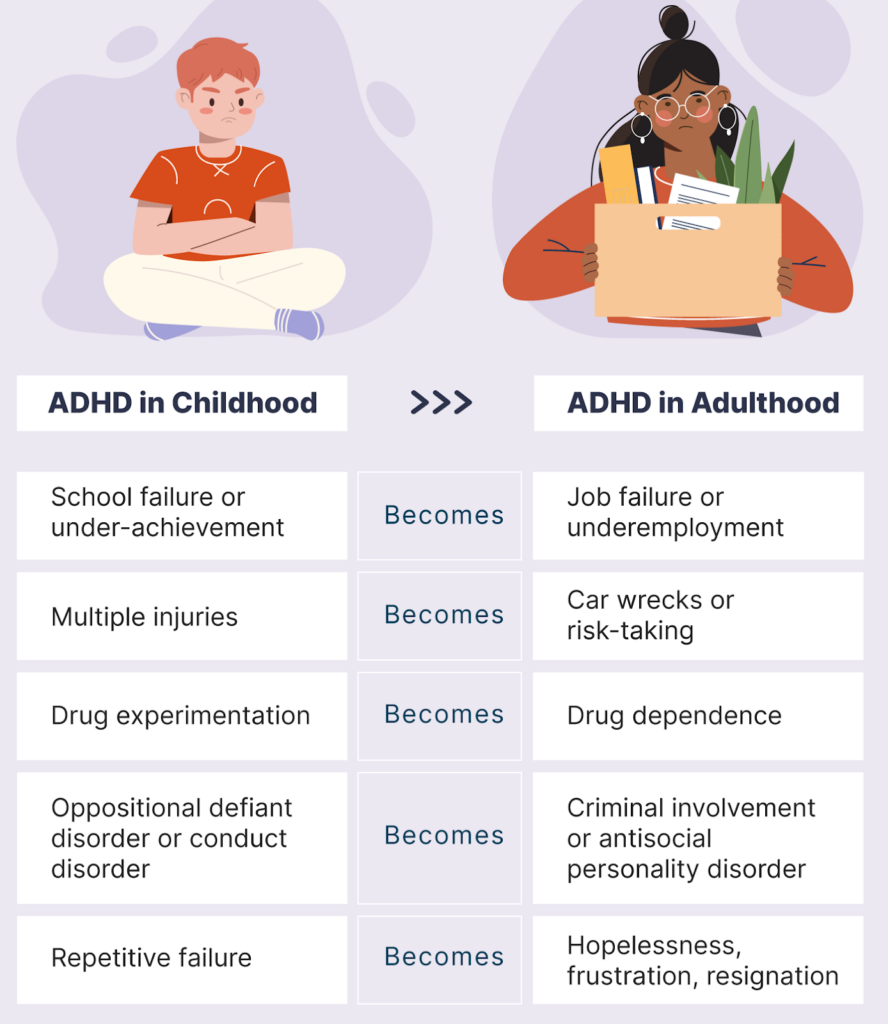
First, think about school, a major part of life for children and adolescents. ADHD can make school a challenging environment. Alex, for example, often has trouble paying attention to detail, leading to careless mistakes in schoolwork. They also struggle to maintain focus during lessons and frequently lose important items like books and assignments. These difficulties […]