
Key Takeaways
- High-functioning distress is real and clinically meaningful
- It differs from anxiety and depression but often precedes them
- ADHD, trauma, OCD, and mood disorders frequently underlie it
- Generic stress advice is often insufficient
- Early, integrative care can prevent escalation
High-Functioning Distress: When You Don’t Look Anxious or Depressed—but Something Is Wrong
What Is High-Functioning Distress?
Many people struggling psychologically do not meet criteria for a formal diagnosis. They work, parent, socialize, and perform—yet feel persistently overwhelmed, emotionally flat, irritable, or exhausted. This pattern is increasingly referred to as high-functioning distress.
Unlike major depression or anxiety disorders, high-functioning distress often flies under the radar. Individuals may hear:
- “You’re doing great.”
- “Everyone feels stressed.”
- “At least you’re functioning.”
Clinically, however, something important is happening beneath the surface.
Why This Pattern Is So Common Right Now
Recent cultural shifts have made high-functioning distress more prevalent:
- Chronic performance pressure and identity tied to productivity
- Constant digital stimulation with no psychological off-switch
- Reduced recovery time between stressors
- Social comparison amplified by social media
- Post-pandemic changes in work, isolation, and uncertainty
Mainstream reporting on burnout and “quiet quitting” reflects this phenomenon, but mental-health care has been slower to develop language and pathways for people who are struggling without appearing impaired.
How High-Functioning Distress Feels Internally
People experiencing this pattern often report:
- Persistent mental fatigue
- Emotional blunting or numbness
- Low motivation without sadness
- Irritability or impatience
- Difficulty enjoying things that “should” feel good
- Trouble resting without guilt
- Feeling disconnected from meaning or purpose
Importantly, these experiences are not simply personality traits or a lack of resilience.
High-Functioning Distress vs Anxiety and Depression
Although symptoms overlap, there are key differences.
Compared to Anxiety
Anxiety typically involves excessive worry, fear, or panic. In high-functioning distress, individuals may not feel anxious at all. Instead, they feel driven, tense, or chronically activated—often seeking care later through specialized anxiety services when symptoms escalate.
Compared to Depression
Depression is characterized by persistent sadness, hopelessness, or loss of interest. High-functioning distress may involve emotional flattening without despair. Many patients eventually seek help through advanced depression treatment after years of pushing through.
Conditions That Commonly Underlie High-Functioning Distress
This pattern often masks or overlaps with diagnosable conditions.
ADHD in Adults
Adults with ADHD frequently internalize years of compensatory effort. Executive dysfunction, time blindness, and cognitive overload can drive chronic distress, even when outward success is high. Thorough assessment through adult ADHD psychiatry is essential.
Trauma and Chronic Stress
Developmental trauma and prolonged stress exposure can lead to nervous-system dysregulation without overt PTSD symptoms. Trauma-focused approaches such as EMDR therapy may be indicated even when individuals do not identify as “traumatized.”
OCD and Perfectionism
Obsessive tendencies and rigid internal standards can fuel constant self-monitoring and pressure. Many individuals with subclinical OCD benefit from targeted obsessive-compulsive disorder treatment once patterns are properly identified.
Mood and Psychotic Spectrum Risk
In some cases, chronic distress precedes mood destabilization or psychotic symptoms. Early evaluation can reduce the risk of progression to conditions requiring specialized psychosis care.
Why High-Functioning Distress Is Often Missed
Mental-health systems are designed to detect impairment, not strain. People who are:
- Employed
- Academically successful
- Socially engaged
are less likely to be flagged, even when internal suffering is significant. This contributes to delayed care and more complex presentations later.
Evidence-Based Treatments That Help
Addressing high-functioning distress requires precision, not generic stress management.
Psychotherapy
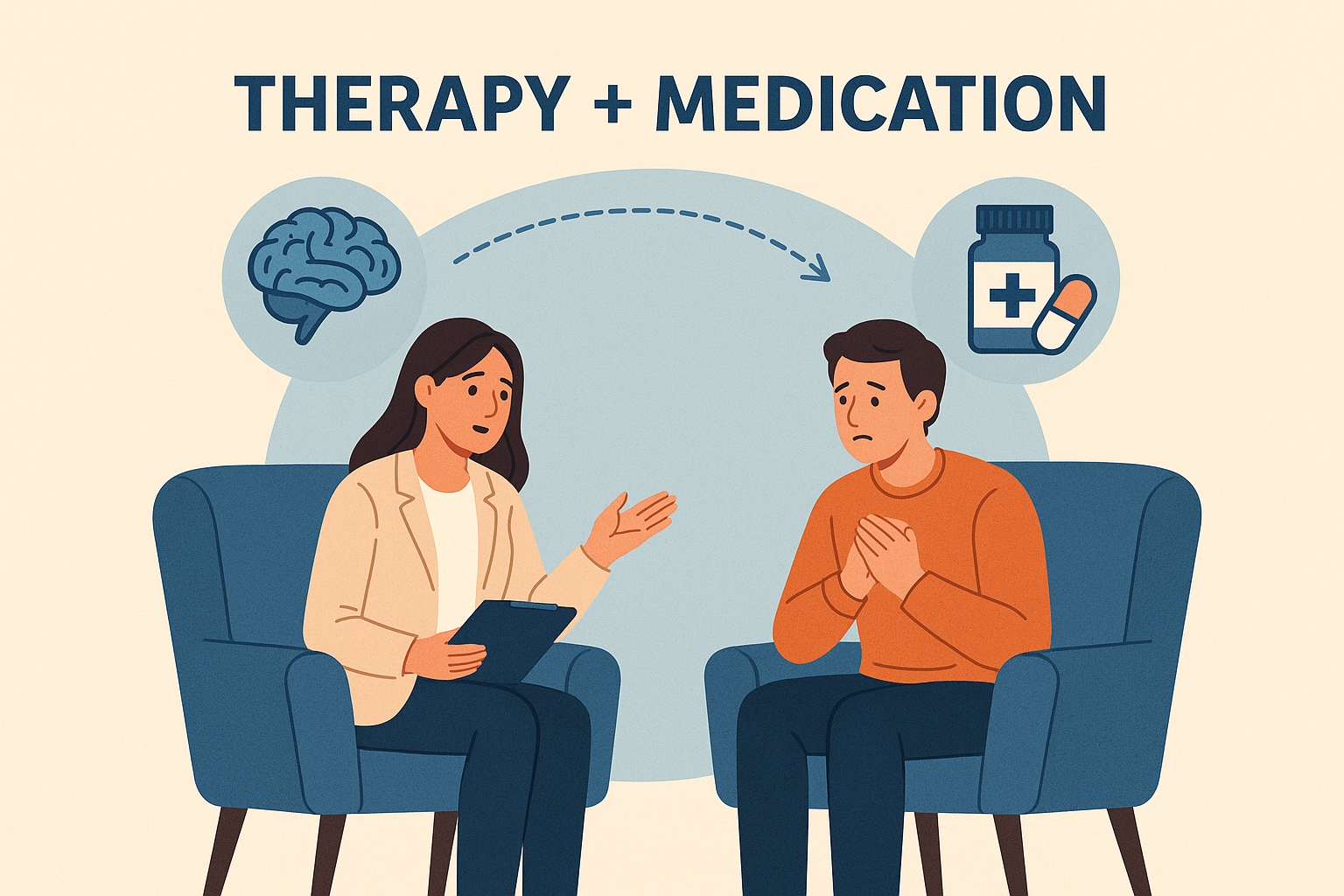
Cognitive Behavioral Therapy helps identify perfectionistic thinking, threat-based beliefs, and cognitive overload patterns. Dialectical Behavior Therapy adds emotion-regulation and distress-tolerance skills that support nervous-system balance.
Medication
Medication may be appropriate when distress reflects underlying mood, anxiety, ADHD, or neurobiological vulnerability. Thoughtful psychiatric care may involve antidepressants, stimulants, or—when indicated—careful use of antipsychotic medication.
Advanced and Integrative Care
For individuals who feel “stuck” despite therapy, innovative options such as ketamine-assisted therapy may help restore emotional flexibility when integrated responsibly.
Risks of Ignoring High-Functioning Distress
Without intervention, this pattern increases risk for:
- Major depressive episodes
- Anxiety disorders
- Substance use as a coping strategy
- Relationship burnout
- Emotional disengagement
- Occupational collapse
Early, nuanced care can prevent escalation into more severe psychiatric conditions.
About Integrative Psych
Integrative Psych specializes in diagnosing and treating complex, often overlooked mental-health presentations. Our clinicians—featured on our experts page—combine psychotherapy, medication management, and advanced interventions to address distress that doesn’t fit neatly into diagnostic boxes.
If you’re functioning on the outside but struggling internally, a confidential consultation can help clarify what’s happening and what support may help.