
Key Takeaways
- Subclinical anxiety is real, impairing, and often overlooked
- It differs from stress and frequently precedes diagnosable disorders
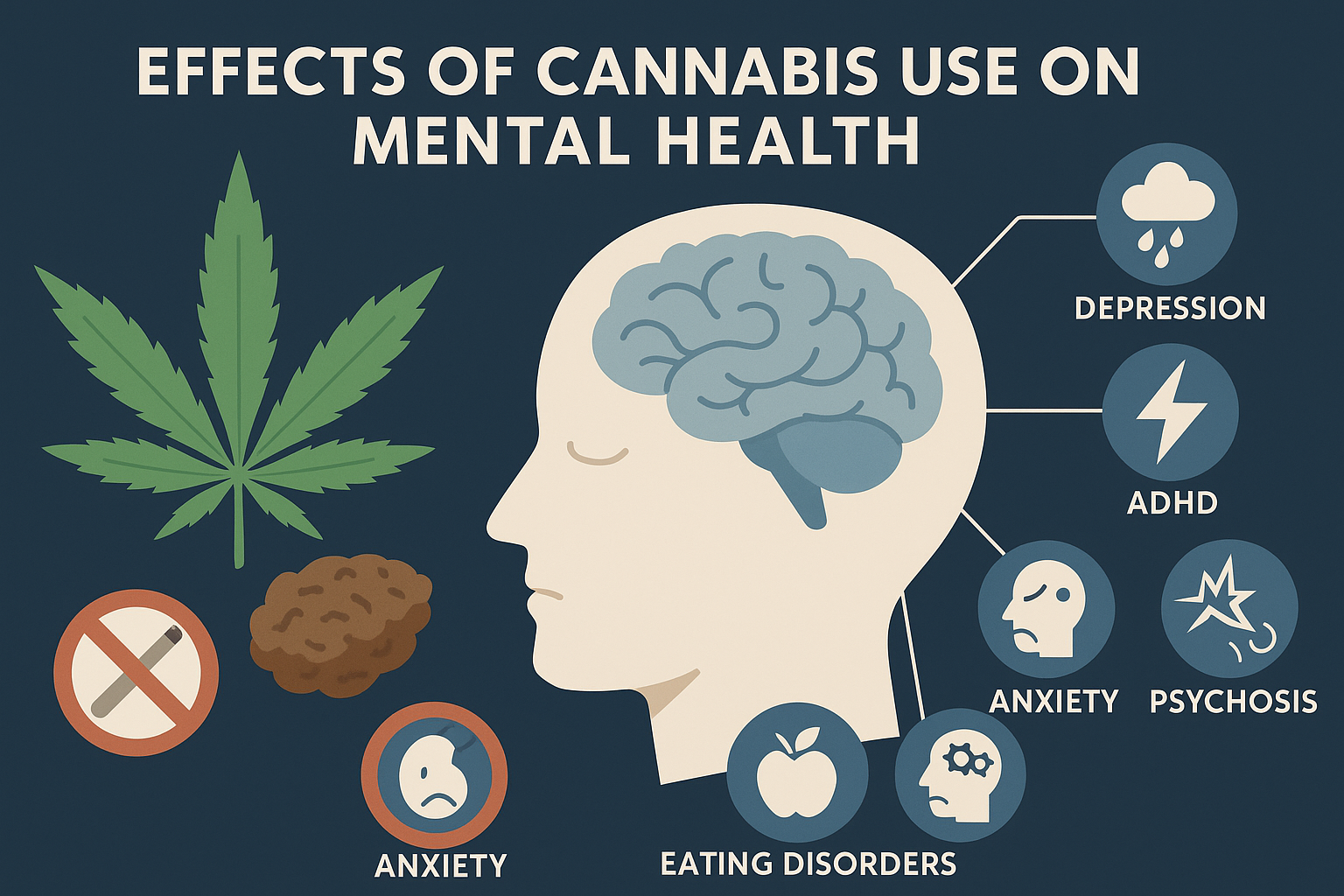
- ADHD, depression, OCD, trauma, and eating disorders commonly underlie it
- Therapy and medication can be effective even at lower symptom levels
- Early intervention reduces long-term mental health risk
Subclinical Anxiety: When Symptoms Don’t Meet Criteria—but Still Disrupt Your Life
What Is Subclinical Anxiety?
Subclinical anxiety refers to anxiety symptoms that are real, persistent, and impairing—but do not meet full diagnostic criteria for an anxiety disorder. People experiencing this pattern often feel they are “not anxious enough” to justify care, despite ongoing distress.
Common experiences include:
- Constant low-grade worry or tension
- Difficulty relaxing even when things are “fine”
- Irritability or mental restlessness
- Sleep disruption without clear cause
- Avoidance of uncertainty or risk
- Feeling chronically on edge
Because symptoms fall below diagnostic thresholds, subclinical anxiety is frequently dismissed—by clinicians and patients alike.
Why Subclinical Anxiety Is So Often Missed
Mental health diagnostics rely on categorical cutoffs. If symptoms are not severe or numerous enough, individuals may be told they are “just stressed.”
However, research increasingly supports dimensional models of anxiety, recognizing that distress exists on a spectrum. Many people seeking specialized anxiety treatment report years of subclinical symptoms before escalation.
Subclinical Anxiety vs Stress
Stress is typically situational and time-limited. Subclinical anxiety is:
- Persistent across contexts
- Internally driven rather than event-based
- Accompanied by physiological arousal
- Resistant to rest alone
When stressors resolve but anxiety remains, subclinical anxiety should be considered.
Conditions Commonly Underlying Subclinical Anxiety
ADHD
Adults with ADHD often experience chronic internal tension related to executive dysfunction, time pressure, and cognitive overload. This anxiety may appear “secondary” but remains clinically significant. Accurate assessment through adult ADHD psychiatry frequently clarifies the picture.
Depression
Subclinical anxiety often coexists with low-grade depression, anhedonia, or burnout. Individuals may feel flat rather than sad, yet remain internally activated. Integrated depression care can address both mood and anxiety dimensions.
OCD
Early or mild OCD frequently presents as background doubt, mental checking, or intolerance of uncertainty—without obvious compulsions. Without intervention, symptoms often progress, underscoring the value of targeted OCD treatment.
Trauma and Chronic Stress
Trauma does not always produce flashbacks or overt fear. Many trauma survivors experience persistent nervous-system activation that registers as subclinical anxiety. Trauma-informed approaches like EMDR therapy can be effective even when PTSD criteria are not met.
Eating Disorders and Health Anxiety
Subclinical anxiety frequently drives rigid food rules, body monitoring, or health-related reassurance seeking. Early intervention through specialized eating disorder treatment can prevent escalation.
The Neurobiology of “Low-Grade” Anxiety
Subclinical anxiety reflects subtle but meaningful dysregulation in:
- The amygdala and threat-detection circuits
- Prefrontal inhibitory control
- Autonomic nervous-system balance
- Neurotransmitters involved in arousal and inhibition
Because activation is moderate rather than extreme, individuals may function well—while remaining chronically uncomfortable.
Why Subclinical Anxiety Deserves Treatment
Left unaddressed, subclinical anxiety increases risk for:
- Full anxiety disorders
- Major depressive episodes
- Substance use as self-regulation
- Sleep disorders
- Cognitive fatigue and burnout
Early treatment can prevent symptom progression and reduce long-term psychiatric burden.
Evidence-Based Treatments That Help
Psychotherapy
Cognitive Behavioral Therapy helps identify subtle threat-based thinking and avoidance patterns. Dialectical Behavior Therapy supports emotion regulation and nervous-system calming, even when distress feels mild but persistent.
Medication
Medication may be appropriate when subclinical anxiety is chronic, impairing, or biologically driven. Low-dose antidepressants or targeted pharmacologic strategies—occasionally including carefully monitored antipsychotic medication in complex cases—can significantly reduce baseline arousal.
Advanced and Integrative Interventions
For individuals with rigid anxiety patterns or partial response to standard care, integrative options such as ketamine-assisted therapy may enhance neuroplasticity when embedded within comprehensive treatment.
When Subclinical Anxiety Signals Something More
In some cases, persistent subclinical anxiety may precede mood instability or cognitive changes requiring specialized assessment. Early evaluation can reduce the risk of progression to conditions needing psychosis-focused care or long-term psychiatric intervention.
About Integrative Psych
Integrative Psych specializes in identifying and treating mental health conditions that fall between “normal stress” and formal diagnosis. Our clinicians—featured on our experts page—integrate psychotherapy, medication management, and advanced treatments to address anxiety across the full clinical spectrum.
If you feel persistently on edge but unsure whether your symptoms “count,” a confidential consultation can help clarify next steps.