

Key Takeaways
- Racing thoughts are a nervous system response, not a personal failure
- Anxiety, depression, OCD, ADHD, and trauma can all contribute
- Nighttime racing thoughts are especially common and treatable
- Accurate diagnosis is essential for effective care
- Evidence-based therapy can help slow and stabilize the mind
Checklist
- Validate symptom-based search intent and emotional pain points
- Structure content for SEO with clear H1–H3 hierarchy
- Integrate clinical accuracy with patient-centered language
- Embed internal hyperlinks naturally for topical authority
- Address overlapping mental health conditions comprehensively
- Optimize for EEAT and conversion readiness
Anxiety Racing Thoughts: An Overview
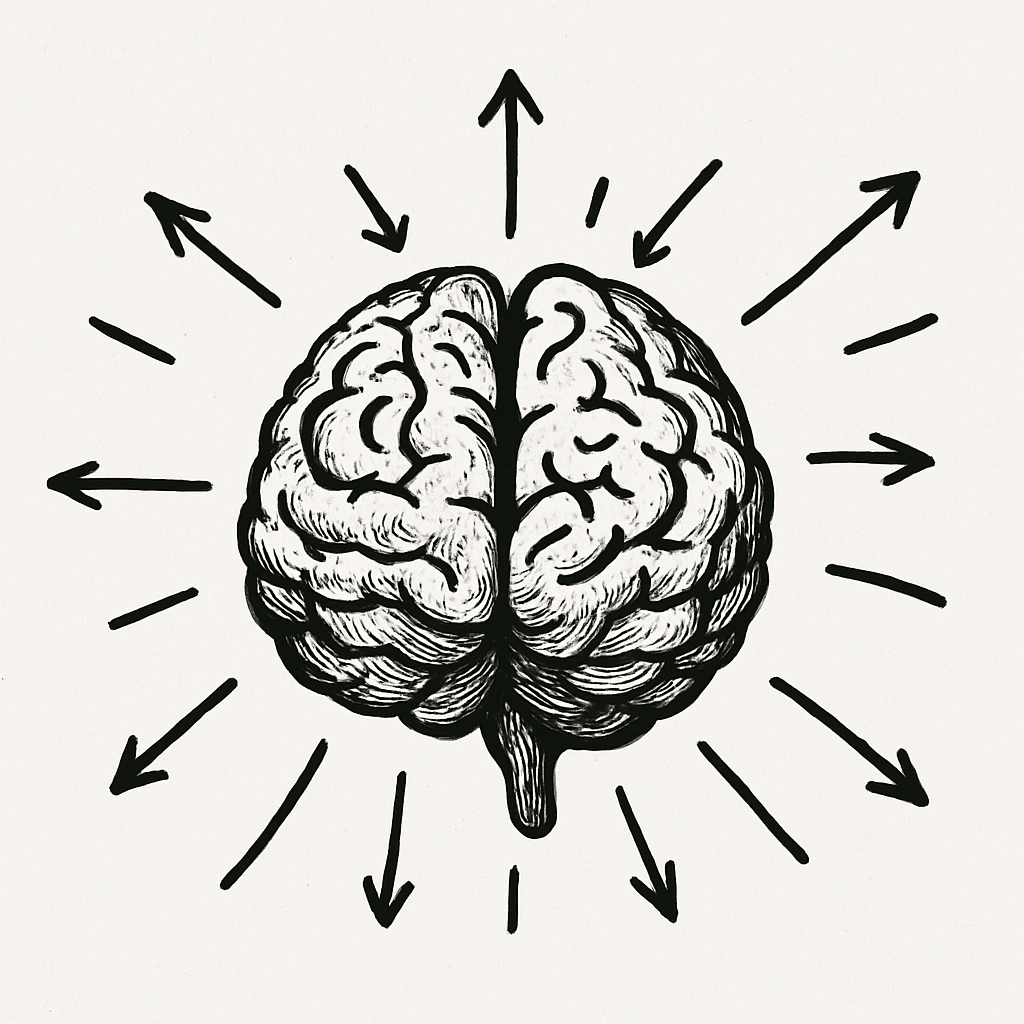
Anxiety racing thoughts describe a mental state where your mind feels like it’s moving too fast to control. Many people report feeling like their mind is racing, replaying conversations, anticipating worst-case scenarios, or jumping rapidly between unrelated thoughts. This experience can be deeply distressing, especially when it happens constantly or interferes with sleep, focus, or emotional regulation.
While racing thoughts are commonly associated with anxiety, they can also appear in depression, OCD, ADHD, trauma-related disorders, and mood conditions. Understanding why your mind always feels like it’s racing is the first step toward effective relief.
Why Anxiety Causes Racing Thoughts
Anxiety activates the brain’s threat-detection system, particularly the amygdala. When this system stays “on,” the brain prioritizes scanning for danger over rest or reflection. This leads to:
- Rapid thought loops
- Difficulty focusing on one idea
- Mental hypervigilance
- Persistent “what if” thinking
For individuals struggling with anxiety and racing thoughts, the mind may feel unsafe slowing down. This is why simply “trying to relax” often backfires.
Those seeking professional care often benefit from specialized anxiety treatment that addresses both cognitive and nervous system patterns, such as the services offered through Integrative Psych’s anxiety-focused care.
Constant Racing Thoughts All Day
Some people experience constant racing thoughts all day, even when there’s no obvious stressor. This can feel exhausting and confusing. Common contributors include:
- Chronic stress exposure
- Burnout
- Unprocessed trauma
- Sleep deprivation
- Stimulant overuse (including caffeine)
When racing thoughts persist throughout the day, it’s often a sign that the nervous system hasn’t had a chance to reset. Trauma-informed approaches, such as EMDR, are sometimes used to help the brain reprocess stuck stress responses.
Anxiety Racing Thoughts at Night
One of the most common complaints is anxiety racing thoughts at night. As distractions fade, the mind may suddenly flood with worries, regrets, or intrusive thoughts. This can lead to insomnia and further worsen anxiety the next day.
Nighttime racing thoughts are especially common in people with:
- Generalized anxiety
- Depression
- Postpartum mood disorders
- Trauma or PTSD
Support such as virtual therapy can be particularly helpful for individuals whose symptoms worsen outside typical work hours.
Depression and Racing Thoughts
Although depression is often associated with slowed thinking, many people experience depression racing thoughts. These thoughts tend to be repetitive, self-critical, and emotionally heavy rather than fast and scattered.
Examples include:
- Ruminating on past mistakes
- Persistent negative self-talk
- Feeling mentally “stuck” but overwhelmed
This pattern is sometimes referred to as mind racing depression, and it responds best to treatments that address both mood and cognition, such as CBT or ACT-based approaches used in depression-focused care.
OCD and Racing Thoughts
People searching phrases like ocd racing thoughts reddit often describe intrusive, unwanted thoughts that feel impossible to stop. In OCD, racing thoughts are driven by obsessions rather than generalized worry.
Key differences include:
- Thoughts feel intrusive and ego-dystonic
- Attempts to neutralize thoughts increase distress
- Mental compulsions may be present
Specialized OCD treatment is essential, as reassurance or avoidance can unintentionally worsen symptoms.
ADHD, Bipolar Disorder, and Other Conditions
Racing thoughts are not exclusive to anxiety. They also appear in:
- ADHD, where rapid idea-switching and distractibility are prominent
- Bipolar disorder, particularly during hypomanic or manic states
- Psychosis, where thought processes may feel disorganized
- Eating disorders, where obsessive food or body-related thoughts dominate
Accurate diagnosis is critical, which is why comprehensive psychiatric evaluations—like those offered by integrative psychiatry teams—are so important.
Feeling Like Your Mind Is Racing All the Time
If you frequently think, “I feel like my mind is always racing,” you’re not alone. This experience often reflects nervous system dysregulation rather than a personal failing.
Common signs include:
- Difficulty relaxing
- Mental fatigue
- Emotional overwhelm
- Trouble being present
Therapies such as DBT can help build skills for slowing mental reactivity and increasing emotional regulation.
Dealing With Racing Thoughts: What Actually Helps
Effective strategies depend on the underlying cause, but evidence-based approaches include:
- Cognitive restructuring through CBT
- Mindfulness-based interventions
- Trauma-focused therapies
- Medication management when appropriate
- Lifestyle adjustments that support nervous system health
Avoid overly simplistic advice. Racing thoughts are not a willpower issue—they are a brain-body response that can be treated with the right support.
When to Seek Professional Help
You should consider professional care if:
- Racing thoughts interfere with sleep or work
- Symptoms worsen over time
- You feel emotionally numb or hopeless
- Thoughts become intrusive or distressing
Care may involve therapy, medication, or a combination, depending on your needs. Specialized services are also available for postpartum mental health, addiction, LGBTQ+ mental health, couples therapy, and autism-related care.
About Integrative Psych NYC
Integrative Psych NYC provides comprehensive, evidence-based mental health care tailored to the whole person. Their team of top psychiatrists and therapists offers specialized treatment for anxiety, depression, OCD, ADHD, trauma, bipolar disorder, eating disorders, and more.
By combining psychotherapy, psychiatry, and integrative approaches, Integrative Psych helps patients understand not just what they’re experiencing—but why—and supports meaningful, lasting change.
Learn more about their expert team and services at Integrative Psych NYC.