
Key Takeaways
- Both medication and psychotherapy are effective—combined, they often deliver superior outcomes.
- Medication addresses brain chemistry; therapy reshapes thought and behavior.
- Combined care boosts recovery rates for depression, anxiety, ADHD, and more.
- Therapy alone can suffice for mild cases; medication is essential for severe disorders.
- Integrative Psych in NYC and Miami offers collaborative, evidence-based mental health care.
Understanding Mental Health Treatment
Mental health treatment has evolved from stigma and guesswork to science and personalization. Today, medication and psychotherapy (talk therapy) are the two most common and evidence-backed treatment modalities. While each can be effective alone, research consistently shows that combining both offers the best outcomes for many individuals.
According to the National Institute of Mental Health (NIMH), nearly 1 in 5 adults in the U.S. experiences a mental health disorder annually. Choosing between therapy, medication, or both depends on factors such as diagnosis, symptom severity, past treatment response, and patient preference.
How Medication Works in Mental Health
Psychiatric medications influence brain chemistry, helping balance neurotransmitters such as serotonin, dopamine, and norepinephrine. These substances regulate mood, attention, and anxiety—key mechanisms underlying mental illness.
Common Medication Categories
- Antidepressants: Used for depression, anxiety, OCD, and PTSD (e.g., SSRIs like sertraline or SNRIs like venlafaxine).
- Stimulants: Effective for ADHD and certain mood disorders (e.g., methylphenidate, amphetamine).
- Mood Stabilizers: Help manage bipolar disorder (e.g., lithium, valproate).
- Antipsychotics: Used for schizophrenia, bipolar disorder, and severe depression (e.g., risperidone, olanzapine).
- Anxiolytics: Short-term management of anxiety symptoms (e.g., benzodiazepines).
Medication can be life-changing, especially for individuals with severe symptoms. However, it may cause side effects, require dosage adjustments, and doesn’t always address the underlying emotional or behavioral patterns driving distress.
The Power of Psychotherapy
Psychotherapy—also known as talk therapy—helps people identify thought patterns, behaviors, and relationships that contribute to their mental health symptoms. Unlike medication, therapy focuses on long-term cognitive and emotional restructuring.
Major Therapy Modalities
- Cognitive Behavioral Therapy (CBT): Targets distorted thoughts and behaviors (effective for depression, anxiety, and ADHD).
- Dialectical Behavior Therapy (DBT): Teaches emotional regulation and distress tolerance (useful for BPD and self-harm).
- Psychodynamic Therapy: Explores unconscious processes and early experiences (often used in complex trauma).
- Exposure and Response Prevention (ERP): Specialized for OCD and anxiety disorders.
- EMDR Therapy: Reduces trauma-related distress through guided eye movements.
Studies show that psychotherapy can alter brain function and structure—especially in regions related to emotional regulation and decision-making.
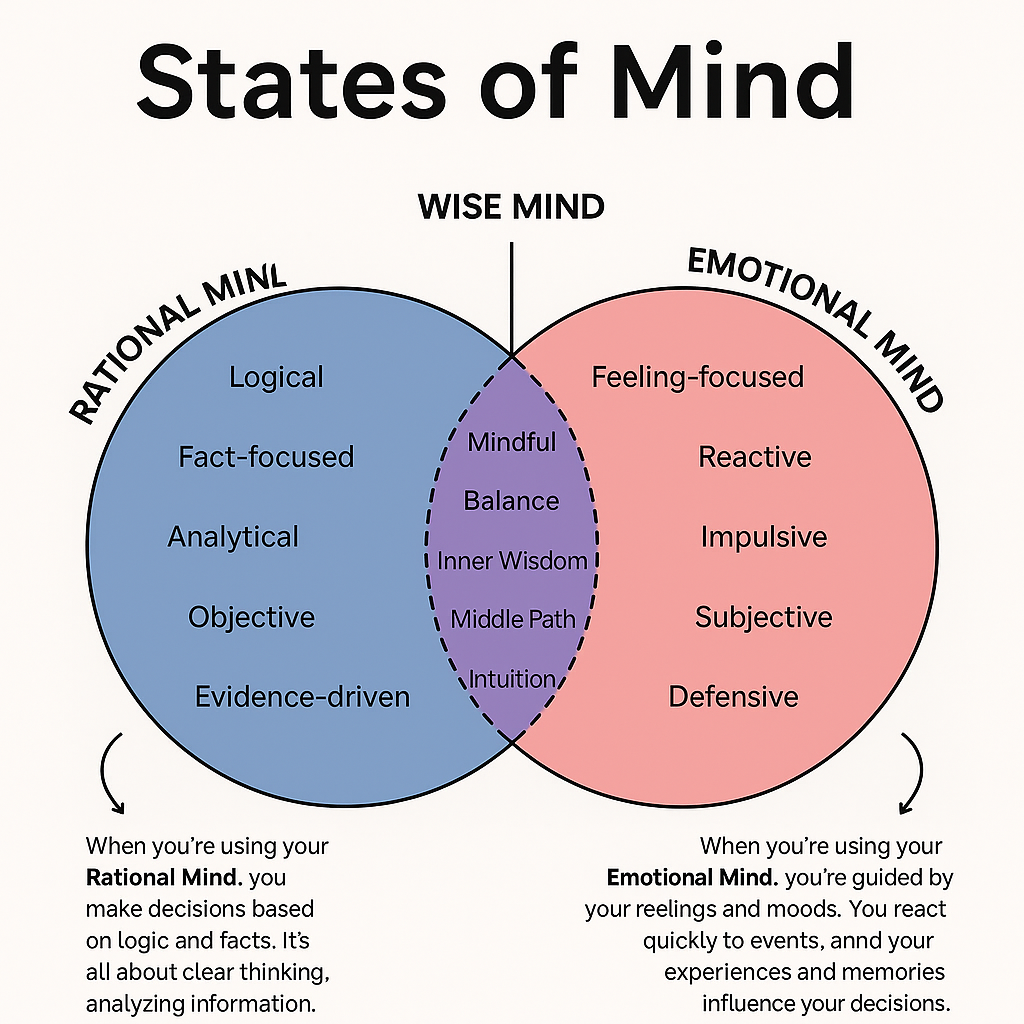
Visualizing the Balance
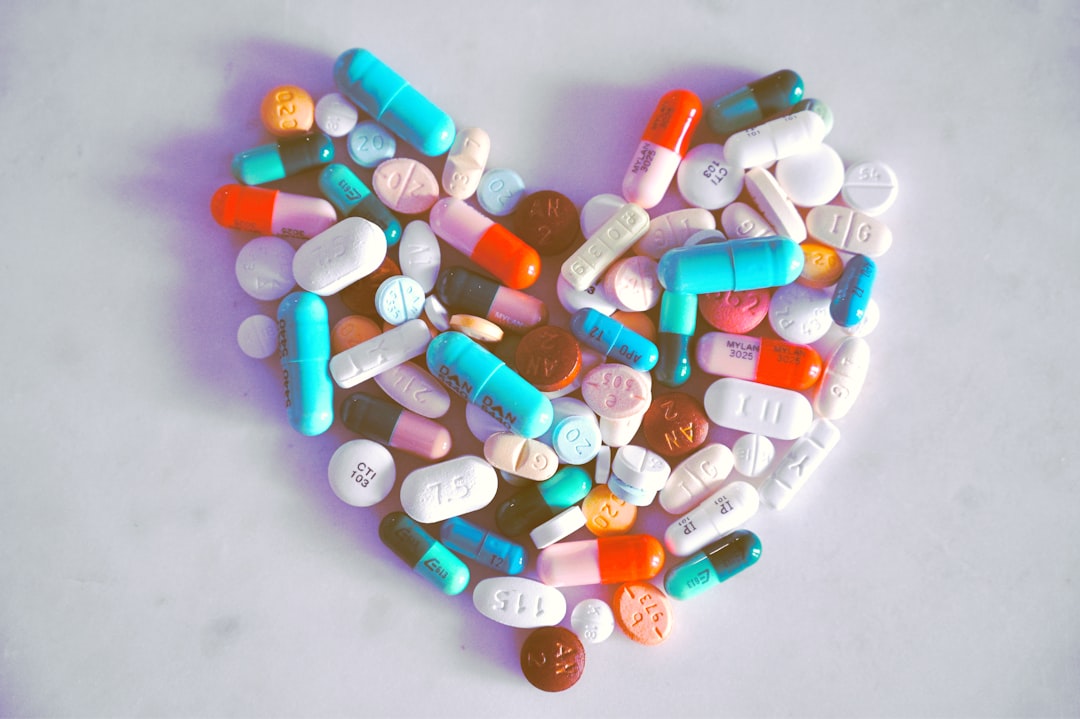
Validation: The image symbolizes the equilibrium between talk therapy and pharmacological treatment—supporting the article’s integrative message and suitable for SEO and accessibility.
When Medication May Be Necessary
Certain conditions require pharmacological intervention to prevent worsening or relapse. For instance:
- Schizophrenia and bipolar I disorder: Medication is indispensable for maintaining stability.
- Severe depression with suicidal ideation: Antidepressants and antipsychotics can reduce acute risk.
- ADHD: Medication significantly enhances focus, organization, and impulse control.
However, medication alone is not always sufficient. Without behavioral or emotional insight, symptoms may reemerge once medication stops.
When Therapy Alone May Suffice
Therapy can be the preferred or only necessary treatment for:
- Mild to moderate depression or anxiety
- Adjustment disorders and grief
- Personality and relationship issues
- Chronic stress and burnout
CBT and mindfulness-based therapies have lasting benefits without side effects. Long-term outcomes are often better maintained through behavioral change rather than pharmacological dependence.
The Integrative Approach: A Modern Standard of Care
Modern psychiatry increasingly supports integrated treatment models—a collaborative approach where medication and therapy are used together.
At Integrative Psych, clinicians emphasize:
- Personalized Care Plans: Tailored to the individual’s diagnosis, lifestyle, and biology.
- Collaborative Teams: Psychiatrists and therapists coordinate treatment goals.
- Evidence-Based Adjustments: Regular evaluations ensure progress and minimize side effects.
- Focus on Functioning: Beyond symptom reduction, care aims to restore purpose, work, and relationships.
The ultimate goal isn’t just remission—it’s recovery and resilience.
About Integrative Psych in Chelsea, NYC and Miami
Integrative Psych is a leading psychiatric and psychotherapy practice specializing in evidence-based, personalized mental health care. Our clinicians in Chelsea, NYC and Miami combine medication management with advanced psychotherapy modalities to ensure each patient receives a holistic, science-driven treatment plan.
Whether you’re navigating depression, ADHD, anxiety, or trauma, our experts are here to guide you toward sustainable healing.
👉 Learn more at Integrative Psych NYC and explore our full range of services.