

Key Takeaways
- Loss of excitement is a common, treatable mental health symptom
- Depression, anxiety, trauma, and dopamine imbalance are common causes
- Emotional numbness is often a protective nervous system response
- Integrative psychiatry addresses both psychological and biological factors
- Professional support can help restore emotional range and motivation
Checklist: How This Article Was Created
- Validated symptom-based, low-competition search intent
- Selected a primary keyword aligned with emotional distress and integrative psychiatry
- Structured content for SEO, EEAT, and patient empathy
- Integrated related mental health conditions for topical authority
- Embedded internal hyperlinks naturally for on-page SEO
- Wrote with clinical accuracy while maintaining accessibility
I Can’t Feel Excitement Anymore — What Does This Mean?
If you’re searching “I can’t feel excitement anymore” or asking yourself “why am I not excited about anything?”, it often means something deeper is happening beneath the surface. Excitement is not just an emotion — it is a neuropsychological process involving motivation, anticipation, emotional safety, and brain chemistry.
When excitement disappears, people often worry that something is “wrong” with them. In reality, this experience is common, explainable, and treatable.
Many patients describe this state as:
- Feeling emotionally flat or numb
- Not looking forward to things anymore
- Wondering why they’re not excited about things they should be
- Saying “I am not excited about anything anymore” despite life appearing stable
Why Am I Not Excited About Anything Anymore?
There is rarely a single cause. Most often, loss of excitement results from overlapping psychological and biological factors.
Common underlying reasons include:
- Depression or high-functioning depression
- Chronic anxiety or nervous system overload
- Trauma or unresolved stress
- Dopamine dysregulation
- Burnout or emotional exhaustion
- Certain medications
Conditions like clinical depression frequently involve anhedonia, the reduced ability to feel pleasure or excitement. Many individuals receiving care for depression report exactly this symptom pattern.
When You Can’t Get Excited About Anything — Even Good News
A particularly distressing experience is when positive events feel emotionally muted. You might think:
- “Why am I not excited about something I should be?”
- “Why am I not excited for anything anymore?”
This disconnect often reflects a protective response of the nervous system. When stress or emotional demand has been prolonged, the brain may dampen emotional responses — both positive and negative — as a way to conserve energy and reduce overwhelm.
Depression, Anhedonia, and Emotional Numbness
Not all depression looks like sadness. Many people continue functioning while internally feeling disconnected.
Anhedonia is a core symptom of depression and is frequently described as:
- “I can’t feel excited anymore”
- “Nothing feels rewarding”
- “I’m not interested in things I used to enjoy”
Depression can also coexist with anxiety, ADHD, trauma histories, eating disorders, and bipolar spectrum conditions, all of which can affect emotional responsiveness.
Anxiety Can Also Kill Excitement
Chronic anxiety keeps the brain in a state of hypervigilance. When your system is constantly scanning for danger, excitement may feel inaccessible or even unsafe.
People receiving treatment for anxiety often report:
- Difficulty relaxing into positive anticipation
- Overthinking future events instead of enjoying them
- Emotional flattening due to constant tension
This is why effective anxiety treatment focuses not only on thoughts, but also on nervous system regulation.
Trauma, PTSD, and Emotional Shutdown
Trauma — including emotional neglect, chronic stress, or acute events — can lead to emotional shutdown. This is especially common in individuals with trauma or PTSD, where the nervous system learns to suppress feelings to avoid pain.
In these cases, loss of excitement is not a lack of capacity — it’s a protective adaptation.
Trauma-informed approaches such as EMDR are often used to help safely restore emotional range.
Dopamine, Motivation, and the Brain’s Reward System
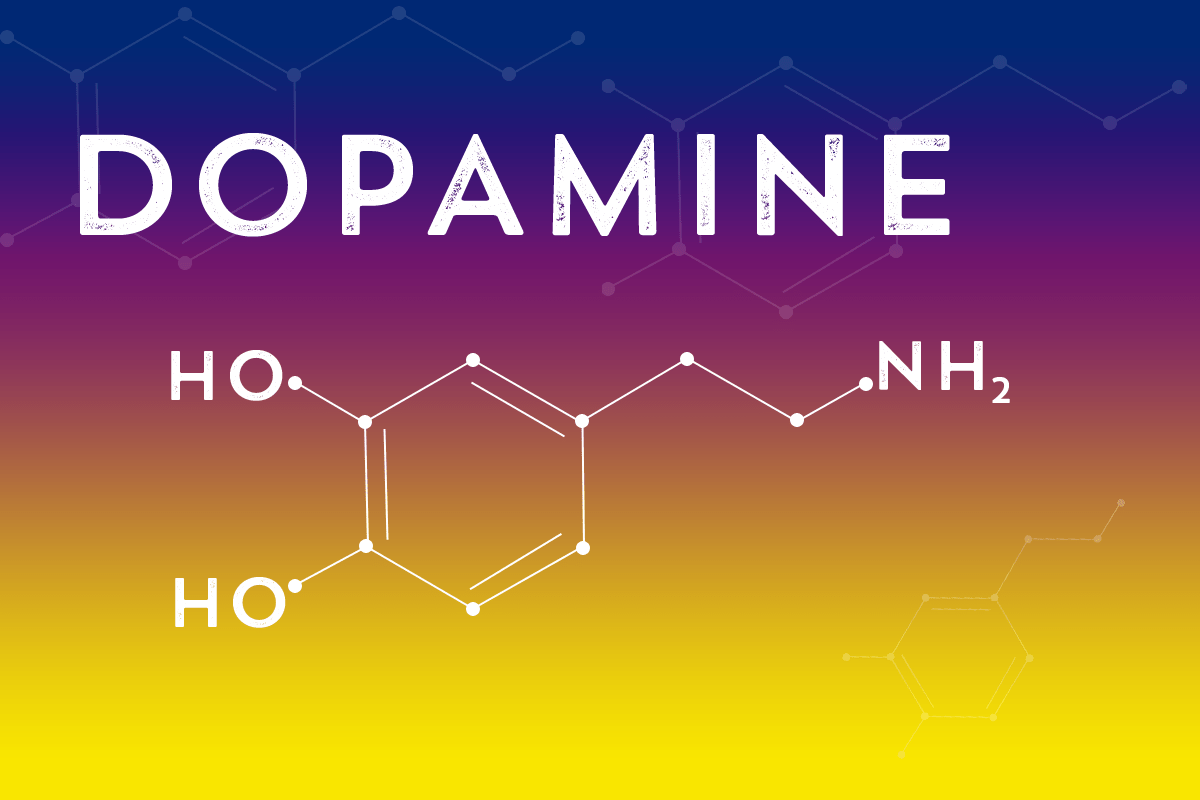
Excitement depends heavily on dopamine, a neurotransmitter involved in motivation, anticipation, and reward.
Disruptions in dopamine signaling are seen in:
- Depression
- ADHD
- Addiction
- Chronic stress states
This explains why individuals with ADHD or mood disorders may say “I can’t get excited about anything anymore” even when they want to.
Why Am I Never Excited Anymore, Even Though Life Looks Fine?
External stability does not guarantee internal well-being. Many people experiencing this symptom are:
- Emotionally burned out
- Living disconnected from meaning or authenticity
- Meeting expectations that don’t align with their inner needs
This is particularly common in high-achieving professionals and caregivers.
Other Mental Health Conditions Linked to Loss of Excitement
Loss of excitement can also appear in:
- OCD (due to mental rigidity and anxiety loops)
- Bipolar disorder (particularly depressive phases)
- Eating disorders (due to emotional and neurochemical depletion)
- Psychosis-spectrum conditions (where emotional processing is altered)
Because of this overlap, proper assessment is essential.
What Helps When You Can’t Feel Excitement Anymore?
Recovery does not come from forcing positivity. It comes from addressing root causes.
Effective treatment may include:
- Psychotherapy such as CBT, ACT, or DBT
- Trauma-focused therapy
- Medication evaluation
- Integrative psychiatry approaches
- Lifestyle and nervous system support
Many patients also benefit from virtual therapy when accessibility or scheduling is a concern.
When to Seek Professional Support
Consider reaching out if:
- Emotional numbness lasts weeks or months
- You frequently think “I am not excited about anything anymore”
- Motivation and connection continue to decline
Early intervention leads to better outcomes.
About Integrative Psych NYC
At Integrative Psych NYC, our team of psychiatrists and therapists takes a whole-person approach to emotional numbness, depression, anxiety, trauma, ADHD, and related conditions.
Our clinicians work collaboratively to understand why excitement has faded and how to restore emotional vitality safely and sustainably.
Learn more about our team of top psychiatrists and therapists in NYC and how integrative care can help you reconnect with your emotional life.