

Key Takeaways
- Blood sugar stability significantly affects mood, cognition, and emotional regulation
- Insulin resistance is linked to depression and bipolar disorder
- Stress hormones disrupt glucose regulation and worsen anxiety and trauma symptoms
- Severe mental illness carries elevated metabolic risk
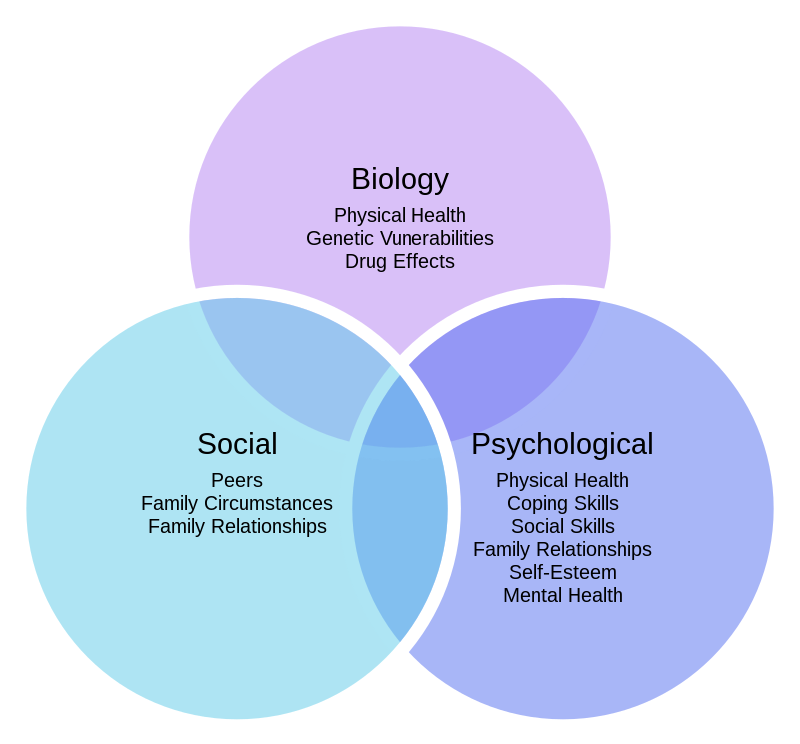
- Integrative psychiatry addresses both metabolic and psychological health
Introduction: Why Metabolism Matters in Psychiatry
For decades, mental health treatment focused primarily on neurotransmitters. While serotonin, dopamine, and norepinephrine remain central, emerging research highlights a deeper biological layer: metabolism.
The Role of Glucose Regulation in Mental Illness is increasingly recognized as a foundational factor influencing mood stability, cognitive clarity, emotional regulation, and long-term psychiatric outcomes.
Glucose is the brain’s primary fuel source. Even subtle fluctuations in blood sugar regulation can affect irritability, focus, sleep, and stress resilience. In integrative psychiatry, understanding the body–brain connection is essential to comprehensive care.
Understanding Glucose Regulation
Glucose regulation refers to the body’s ability to maintain stable blood glucose levels through coordinated hormonal regulation of blood glucose.
Key systems involved include:
- The pancreas and blood sugar regulation through insulin and glucagon
- The liver’s role in storing and releasing glucose
- Hormonal control of blood sugar levels via cortisol and adrenaline
- Cellular insulin sensitivity
When this system functions properly, normal glucose regulation supports consistent energy and cognitive performance. When disrupted—through impaired glucose regulation or insulin resistance—brain function can become unstable.
The Brain–Blood Sugar Connection
The brain consumes approximately 20% of the body’s glucose at rest. It has minimal storage capacity, meaning it depends on steady blood sugar regulation.
Poor blood sugar regulation may contribute to:
- Mood swings
- Anxiety-like symptoms
- Brain fog
- Irritability
- Fatigue
- Impulsivity
Chronic dysregulation of blood glucose concentration may also increase inflammation, oxidative stress, and neurochemical disruption—factors implicated in major psychiatric disorders.
Depression and Insulin Resistance
Research shows strong links between insulin resistance and depression. Individuals with impaired glucose regulation have higher rates of major depressive disorder.
Mechanisms may include:
- Inflammatory cytokine activation
- Disrupted dopamine signaling
- Altered stress response
- Reduced neuroplasticity
Patients seeking care for mood symptoms may benefit from integrated evaluation alongside psychotherapy and medication. Evidence-based approaches like CBT remain effective, but metabolic assessment can enhance outcomes.
Those experiencing persistent depressive symptoms may explore care through specialized depression treatment services that integrate biological and psychological care.
Anxiety, OCD, and Blood Sugar Instability
Reactive hypoglycemia can mimic panic symptoms—rapid heartbeat, sweating, trembling—often mistaken for primary anxiety disorders.
Chronic hyperglycemia, meanwhile, may contribute to inflammatory pathways associated with generalized anxiety disorder and obsessive-compulsive disorder.
Individuals struggling with anxiety symptoms may benefit from comprehensive evaluation through anxiety treatment or targeted OCD therapy, alongside lifestyle stabilization.
ADHD and Energy Regulation
Attention-deficit/hyperactivity disorder (ADHD) involves executive function challenges tied to dopamine pathways. However, unstable glucose regulation in the body may worsen:
- Inattention
- Irritability
- Emotional dysregulation
- Impulsivity
High-sugar meals followed by energy crashes can amplify ADHD symptoms. Patients may explore comprehensive care through ADHD treatment programs that address nutrition, sleep, and medication optimization.
Bipolar Disorder, Schizophrenia, and Metabolic Risk
Bipolar disorder and schizophrenia are strongly associated with metabolic dysfunction.
Individuals with bipolar disorder frequently experience insulin resistance and increased rates of type 2 diabetes. Additionally, certain antipsychotic medications affect glucose regulation in the body.
Comprehensive care for mood instability may include evaluation via bipolar disorder treatment while monitoring metabolic health.
Schizophrenia and psychosis also carry elevated cardiometabolic risk. Stabilizing blood glucose levels may improve long-term health outcomes alongside antipsychotic management.
Borderline Personality Disorder (BPD), Trauma, and Stress Hormones
Chronic stress profoundly impacts hormonal regulation of blood glucose. Trauma and PTSD can activate sustained cortisol release, contributing to impaired glucose regulation.
Patients experiencing trauma-related symptoms may benefit from trauma-informed care, including PTSD therapy and modalities such as EMDR.
For individuals with emotional dysregulation seen in BPD, skills-based therapies like DBT support stress reduction, which may indirectly improve blood sugar stability.
Eating Disorders and Glucose Dysregulation
Eating disorders significantly disrupt normal regulation of blood glucose level.
Restrictive eating patterns may cause hypoglycemia, while binge–purge cycles destabilize insulin response. Over time, this can alter glycemia regulation and worsen anxiety, depression, and cognitive symptoms.
Comprehensive treatment through eating disorder programs integrates nutritional rehabilitation with psychotherapy such as ACT and CBT.
Psychosis and Severe Mental Illness
Severe mental illness, including schizophrenia and chronic psychosis, often coexists with metabolic syndrome.
Stress-related hormonal control of blood sugar levels, antipsychotic side effects, and lifestyle factors contribute to dysregulated glucose metabolism. Monitoring and prevention are essential components of holistic psychiatric care.
Integrative Psychiatry Approaches to Stabilizing Blood Sugar
An integrative model recognizes The Role of Glucose Regulation in Mental Illness as part of whole-person care.
Interventions may include:
- Balanced macronutrient nutrition
- Sleep optimization
- Regular physical activity
- Stress reduction strategies
- Medication review
- Laboratory evaluation (fasting glucose, HbA1c, insulin levels)
Therapeutic modalities such as ACT support behavior change aligned with metabolic health goals.
When to Seek Evaluation
You may consider evaluation if you experience:
- Mood crashes between meals
- Persistent fatigue
- Brain fog
- Anxiety linked to hunger
- Weight changes with psychiatric medication
- Family history of diabetes
Comprehensive, collaborative care can address both metabolic and psychological dimensions.
About Integrative Psych
Integrative Psych is a national integrative psychiatry practice serving clients across the United States through in-person and virtual care. Their team of clinical experts includes psychiatrists and therapists specializing in mood disorders, anxiety, ADHD, trauma, eating disorders, psychosis, and complex conditions.
Through a whole-person approach that integrates evidence-based psychotherapy, medication management, and lifestyle-informed care, Integrative Psych supports patients in achieving sustainable mental wellness. Learn more about their team of top psychiatrists and therapists and their national virtual therapy services.