
Key Takeaways
- Both psychiatric NPs and psychiatrists can diagnose and treat mental health conditions
- Psychiatrists have medical training suited for complex or severe cases
- Psychiatric NPs offer holistic, accessible care within collaborative models
- Integrative psychiatry focuses on team-based, personalized treatment
- The “right” provider depends on symptom complexity, goals, and support needs
Psychiatric NP vs Psychiatrist: Understanding the Differences and Choosing the Right Provider in NYC
Checklist: How This Article Was Created
- Researched current scope-of-practice differences and recent U.S. mental health workforce trends
- Structured the article for SEO with clear headings and skimmable sections
- Selected low–medium KD, high-intent keywords relevant to Integrative Psychiatry NYC
- Integrated multiple mental health conditions to reflect real-world clinical needs
- Embedded provided hyperlinks naturally and contextually within the article
- Included local NYC relevance and an integrative care perspective
Introduction: Why “Psychiatric NP vs Psychiatrist” Is Such a Common Question
If you’re searching for mental health care in New York City, you’ve likely encountered the question: psychiatric NP vs psychiatrist—what’s the difference, and who should I see? With growing demand for services related to depression, anxiety, ADHD, OCD, trauma, and more, understanding provider roles has never been more important.
Recent news coverage has highlighted the nationwide psychiatrist shortage, especially in urban centers like NYC, and the expanding role of Psychiatric Mental Health Nurse Practitioners (PMHNPs) in filling care gaps. Both professionals are highly trained and capable—but they are not interchangeable. This article breaks down the differences, similarities, and how integrative psychiatry approaches can help you make the right choice.
Psychiatric NP vs Psychiatrist: Core Training Differences
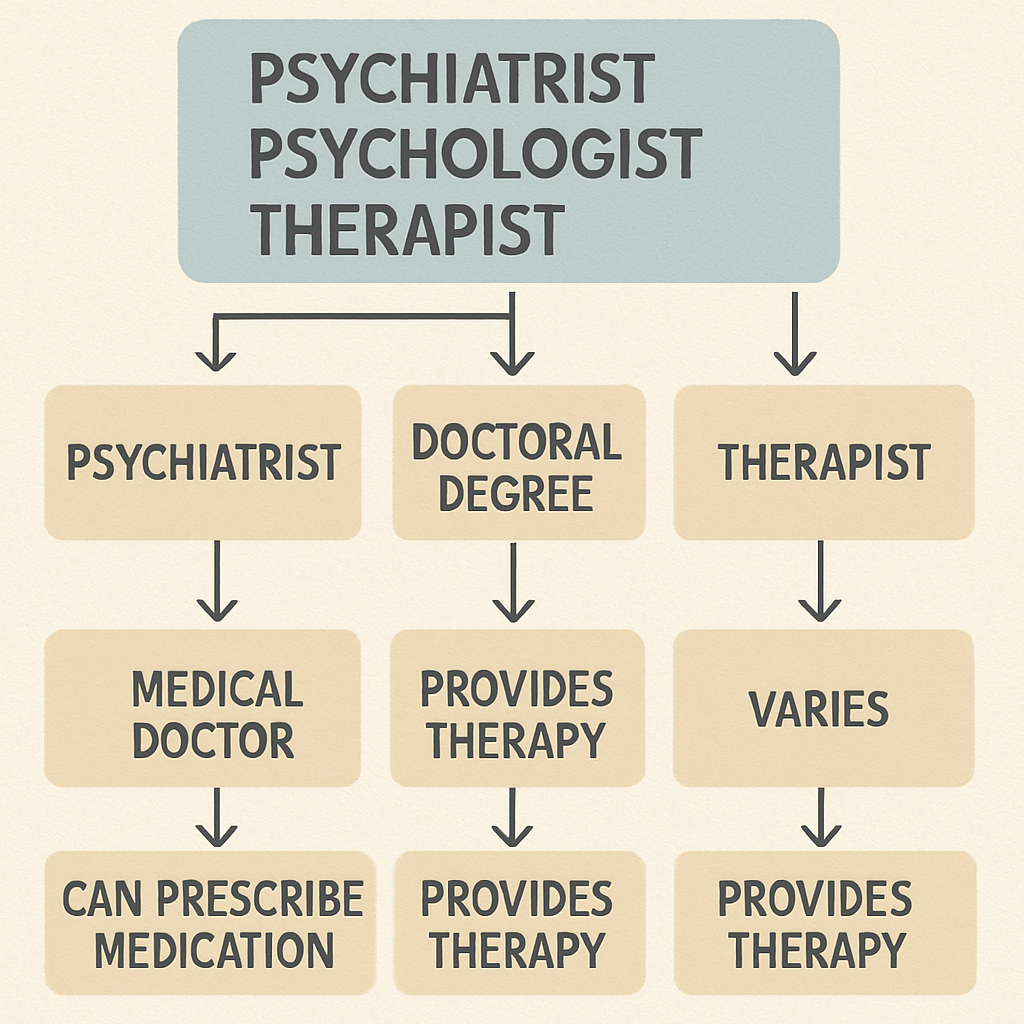
Psychiatrist: Medical Doctors Specializing in Mental Health
A psychiatrist is a medical doctor (MD or DO) who completes:
- 4 years of medical school
- 4 years of psychiatric residency
- Optional fellowships (e.g., child & adolescent psychiatry, addiction psychiatry)
Because of their medical background, psychiatrists are uniquely trained to assess complex interactions between physical health, medications, and psychiatric symptoms. This depth is especially important in conditions like bipolar disorder, schizophrenia, psychosis, or treatment-resistant depression.
In integrative settings, psychiatrists often collaborate closely with therapists offering CBT, ACT, EMDR, or DBT while managing medications.
Psychiatric NP (PMHNP): Advanced Practice Nurses
A Psychiatric Mental Health Nurse Practitioner completes:
- Nursing degree (BSN)
- Advanced graduate training (MSN or DNP)
- Specialized psychiatric certification
PMHNPs are licensed to diagnose mental health conditions, prescribe psychiatric medications, and provide therapy in many states, including New York (with collaborative agreements). Their nursing model emphasizes holistic, patient-centered care—often aligning well with integrative psychiatry.
Scope of Practice in NYC: What Can Each Provider Do?
In New York State:
- Psychiatrists practice independently without supervision
- Psychiatric NPs practice with collaborative physician agreements
Both can:
- Diagnose mental health conditions
- Prescribe psychiatric medications
- Provide ongoing medication management
- Coordinate care with therapists and primary care providers
The difference lies less in legality and more in clinical complexity, experience depth, and integrative team structure.
Psychiatric NP vs Psychiatrist for Common Mental Health Conditions
Depression and Anxiety Disorders
For many people seeking care for depression or anxiety, both psychiatrists and psychiatric NPs can provide excellent treatment. Medication management combined with psychotherapy—such as CBT or ACT—is often the gold standard.
At Integrative Psych NYC, care for depression and anxiety is frequently team-based, blending medication with lifestyle, trauma-informed, and evidence-based therapy approaches.
ADHD and Neurodevelopmental Conditions
ADHD evaluation and treatment often require nuanced diagnostic skills, especially in adults and women where symptoms are underrecognized. While psychiatric NPs can manage ADHD medications, complex presentations—such as co-occurring anxiety, autism spectrum conditions, or substance use—may benefit from psychiatrist-led evaluations.
OCD, Trauma, and PTSD
OCD and trauma-related disorders frequently require specialized therapy like exposure-based CBT or EMDR. Medication management may be handled by either provider, but integrative collaboration is key. For trauma and PTSD, careful medication selection alongside therapy is critical to avoid symptom exacerbation.
Bipolar Disorder, Psychosis, and Schizophrenia
For bipolar disorder, schizophrenia, or psychosis, psychiatrists are often preferred due to:
- Higher medical complexity
- Need for close medication monitoring
- Risk management considerations
That said, psychiatric NPs often play an essential role in long-term follow-up and stabilization within integrative teams.
Eating Disorders and Borderline Personality Disorder (BPD)
Eating disorders and BPD require coordinated, multidisciplinary care. Medication alone is rarely sufficient. Psychiatrists may oversee medical risk and pharmacology, while psychiatric NPs provide continuity and frequent check-ins. Therapies such as DBT are especially central for BPD.
Integrative Psychiatry: Why the Team Matters More Than the Title
The debate of psychiatric NP vs psychiatrist misses a crucial point: the best care is collaborative.
Integrative psychiatry emphasizes:
- Medication + psychotherapy integration
- Attention to trauma, relationships, and identity
- Lifestyle, sleep, nutrition, and stress physiology
- Culturally competent and LGBTQ+-affirming care
In NYC, integrative models have gained traction as patients seek more personalized and holistic approaches—whether through virtual therapy or in-person care.
Psychiatric NP vs Psychiatrist in the News: Why This Debate Is Growing
Recent reporting from major outlets has highlighted:
- A projected shortage of tens of thousands of psychiatrists by the early 2030s
- Increased reliance on PMHNPs to expand access
- Legislative debates around NP independence
In practice, many top-tier clinics resolve this tension by building interdisciplinary teams rather than choosing one role over another.
Cost, Access, and Wait Times in NYC
Another reason people search “psychiatric NP vs psychiatrist” is practicality:
- Psychiatric NPs may offer shorter wait times
- Psychiatrists may charge higher fees due to longer training
- Insurance coverage can vary by provider type
Integrative practices often help navigate these barriers by offering flexible care pathways and virtual therapy options.
How to Decide: Psychiatric NP or Psychiatrist?
Consider a psychiatrist if you:
- Have complex or severe symptoms
- Need diagnostic clarification
- Have multiple medical conditions
- Have not responded to standard treatments
Consider a psychiatric NP if you:
- Have mild to moderate conditions
- Want a holistic, coaching-oriented approach
- Are seeking continuity and accessibility
- Are working within an integrative team model
About Integrative Psych NYC
Integrative Psych NYC brings together psychiatrists, psychiatric nurse practitioners, and expert therapists to deliver personalized, evidence-based mental health care. Our team treats a wide range of conditions including ADHD, anxiety, depression, OCD, bipolar disorder, trauma, addiction, autism spectrum conditions, eating disorders, postpartum mental health, and relationship challenges.
By combining medication management with therapies such as CBT, ACT, DBT, EMDR, and couples therapy, we tailor treatment to the whole person—not just symptoms. Whether you’re seeking in-person or virtual therapy, our NYC-based clinicians collaborate closely to ensure continuity, depth, and compassionate care. Learn more about our team and approach at Integrative Psych NYC.