Key Takeaways
- Radical acceptance means fully acknowledging reality as it is—without judgment or resistance—so healing can begin.
- It’s a core skill in Dialectical Behavior Therapy (DBT) that helps reduce emotional suffering by separating pain from resistance.
- Acceptance isn’t approval or giving up—it’s recognizing truth so you can act effectively instead of fighting what you can’t change.
- This practice supports recovery from depression, anxiety, ADHD, OCD, BPD, psychosis, and eating disorders by improving emotional regulation and self-compassion.
- Techniques like mindfulness, journaling, “half-smile,” and reality statements train the brain to release control and tolerate discomfort.
- When integrated with therapy, radical acceptance fosters resilience, peace, and psychological freedom, transforming struggle into strength.
What Is Radical Acceptance?
Radical acceptance is a core concept from Dialectical Behavior Therapy (DBT)—a therapeutic approach developed by psychologist Dr. Marsha Linehan to help people manage intense emotions and reduce suffering.
At its heart, radical acceptance means fully acknowledging reality as it is—without judgment, resistance, or denial. It doesn’t mean you agree with or condone what’s happened. Rather, it’s the decision to stop fighting reality and instead focus your energy on coping effectively.
In DBT, radical acceptance is often taught as a skill under the “Distress Tolerance” module. The goal is to break the cycle of emotional resistance—because resisting what’s already true adds pain to pain.
As Linehan put it:
“Pain creates suffering only when you refuse to accept the pain.”
Radical acceptance isn’t resignation—it’s release. It allows you to stop battling the unchangeable and start healing.
Why Radical Acceptance Matters
Life often brings experiences we cannot control: illness, loss, rejection, trauma, or unfair treatment. When we fight these realities—thinking “this shouldn’t be happening”—we intensify our emotional distress.
Radical acceptance transforms that relationship with pain. Instead of resistance, we choose understanding. Instead of blame, we choose acknowledgment.
Research shows that acceptance-based interventions improve emotional regulation, resilience, and psychological well-being, particularly for people managing anxiety, depression, or personality disorders. (nih.gov)
The Psychology Behind Resistance
When faced with painful reality, the brain instinctively reacts with avoidance or control—strategies that work short-term but create long-term distress.
- Denial (“This isn’t happening”)
- Blame (“It’s all their fault”)
- Avoidance (numbing, distraction, compulsions)
- Rumination (“Why me?”)
These responses keep the stress response active, fueling anxiety, anger, or shame. Radical acceptance interrupts this loop by shifting focus from control to compassion.
The DBT Foundation of Radical Acceptance
Dialectical Behavior Therapy blends cognitive-behavioral techniques with mindfulness and acceptance practices. In DBT, “dialectical” means holding two truths simultaneously—such as “I can accept myself and still want to change.”
Radical acceptance is the ultimate dialectic: accepting reality and committing to growth. It is taught alongside:
- Distress Tolerance (coping with pain without impulsive action)
- Emotion Regulation (understanding and balancing emotions)
- Mindfulness (staying grounded in the present)
Together, these form the foundation for healing conditions rooted in emotional dysregulation—particularly Borderline Personality Disorder (BPD) but also PTSD, depression, and anxiety.
How Radical Acceptance Helps in Mental Health
Depression
Depression often involves guilt, rumination, and self-criticism. Radical acceptance allows individuals to acknowledge pain without self-blame, making room for self-compassion and behavioral activation.
Anxiety
Anxiety thrives on “what if” thinking. Acceptance reduces the fear of uncertainty—shifting from controlling outcomes to tolerating them.
ADHD
People with ADHD may struggle with impulsivity and frustration when things don’t go as planned. Acceptance helps them pause, self-soothe, and redirect rather than spiral into shame or overwhelm.
OCD
In Obsessive-Compulsive Disorder, intrusive thoughts lead to compulsive attempts to neutralize discomfort. Radical acceptance interrupts that loop by teaching tolerance of distress rather than suppression of it.
BPD
For individuals with Borderline Personality Disorder, radical acceptance is transformative. It helps reduce black-and-white thinking, soothe abandonment fears, and accept emotional pain without destructive reactions.
Schizophrenia & Psychosis
Acceptance-based frameworks, when integrated with psychiatric care, can help patients and families acknowledge ongoing symptoms without judgment—improving treatment engagement and reducing self-stigma.
Eating Disorders
For individuals with eating disorders, radical acceptance supports body neutrality—acknowledging present feelings without judgment or extreme control, creating a foundation for recovery.
The Neuroscience of Acceptance
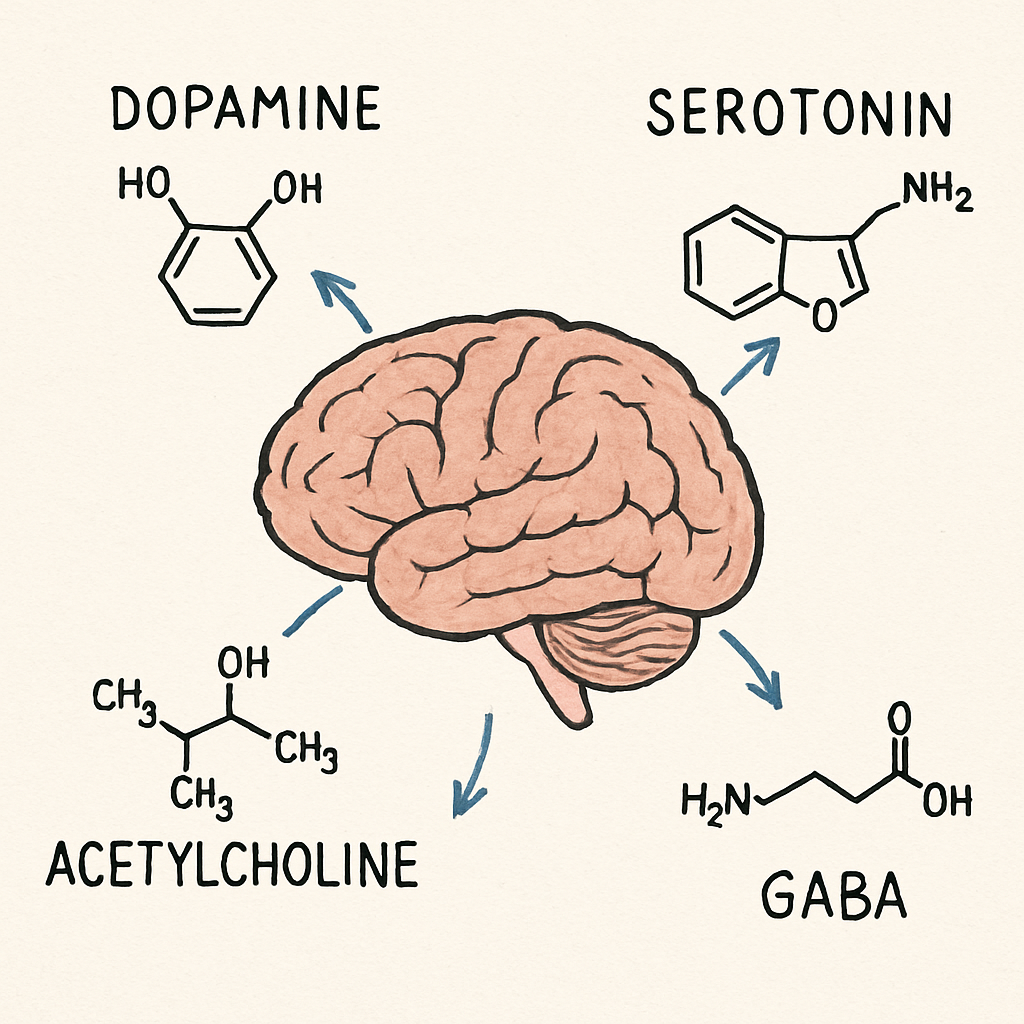
Neuroimaging studies show that acceptance practices reduce amygdala activity (fear response) and increase prefrontal regulation (rational control). Over time, this shifts brain pathways from emotional reactivity to balanced awareness. (apa.org)
Radical acceptance therefore changes both thought and physiology—lowering cortisol, stabilizing mood, and improving sleep.
The Process of Practicing Radical Acceptance
Radical acceptance is both a mindset and a skill set. It unfolds gradually, often in the following steps:
1. Notice Resistance
Recognize when you’re saying “This shouldn’t be happening” or replaying painful events. Awareness is the first step.
2. Name Reality
State the facts neutrally: “This happened. I feel hurt. I cannot change the past.”
3. Acknowledge Emotions
Allow sadness, anger, or disappointment to exist. Labeling emotions reduces intensity.
4. Stop Judging
Replace “This is unfair” with “This is painful, but I can handle it.”
5. Ground in the Present
Use mindfulness, breathing, or sensory grounding to stay connected to the here and now.
6. Choose Acceptance
Remind yourself: “Fighting reality won’t change it—accepting it will help me move forward.”
This process requires repetition, patience, and self-compassion. Over time, it rewires your emotional habits.
Radical Acceptance in Everyday Life
Relationships
When someone you love disappoints or leaves, radical acceptance helps you grieve rather than blame. You stop trying to change others and instead focus on your own response.
Chronic Illness or Pain
People with long-term illness often experience suffering from resistance (“Why me?”). Acceptance helps shift from resentment to self-care and adaptive coping.
Trauma Recovery
For trauma survivors, acceptance doesn’t mean excusing what happened—it means reclaiming power by accepting the truth of the experience.
Parenting & ADHD
Parents of neurodivergent children often carry guilt or frustration. Radical acceptance allows them to focus on support and growth rather than perfectionism.
Common Misconceptions
- “If I accept it, I’ll stop trying to improve.”
False—acceptance creates the calm needed to make real change. - “Acceptance means weakness.”
Acceptance requires courage. It’s easier to fight reality than face it fully. - “It’s a one-time act.”
Radical acceptance is continuous—each moment invites a choice to release control.
Integrating Radical Acceptance Into Therapy
Clinicians at Integrative Psych and other DBT-informed centers teach radical acceptance through structured techniques:
- Mindfulness training: Building awareness of judgment and control.
- Exposure therapy: Facing feared realities safely.
- Somatic grounding: Using the body to anchor acceptance (breathing, posture).
- Journaling prompts: “What reality am I resisting?” “What would acceptance look like here?”
- Meditation practices: Loving-kindness and body-scan meditation enhance nonjudgmental awareness.
Acceptance-based interventions are used not only in DBT but also in Acceptance and Commitment Therapy (ACT), Mindfulness-Based Cognitive Therapy (MBCT), and compassion-focused therapy.
Practical Exercises
- Half-Smile and Willing Hands – DBT skills that use gentle body posture to cue the brain toward acceptance.
- Reality Statements – “This is what’s happening. Fighting it won’t help.”
- Radical Acceptance Worksheet – Write one event you’re resisting and outline what acceptance would feel like.
- Urge Surfing – Notice emotional waves (anger, craving, sadness) without acting on them.
- Self-Compassion Break – “This is hard. Pain is part of being human. I can support myself right now.”
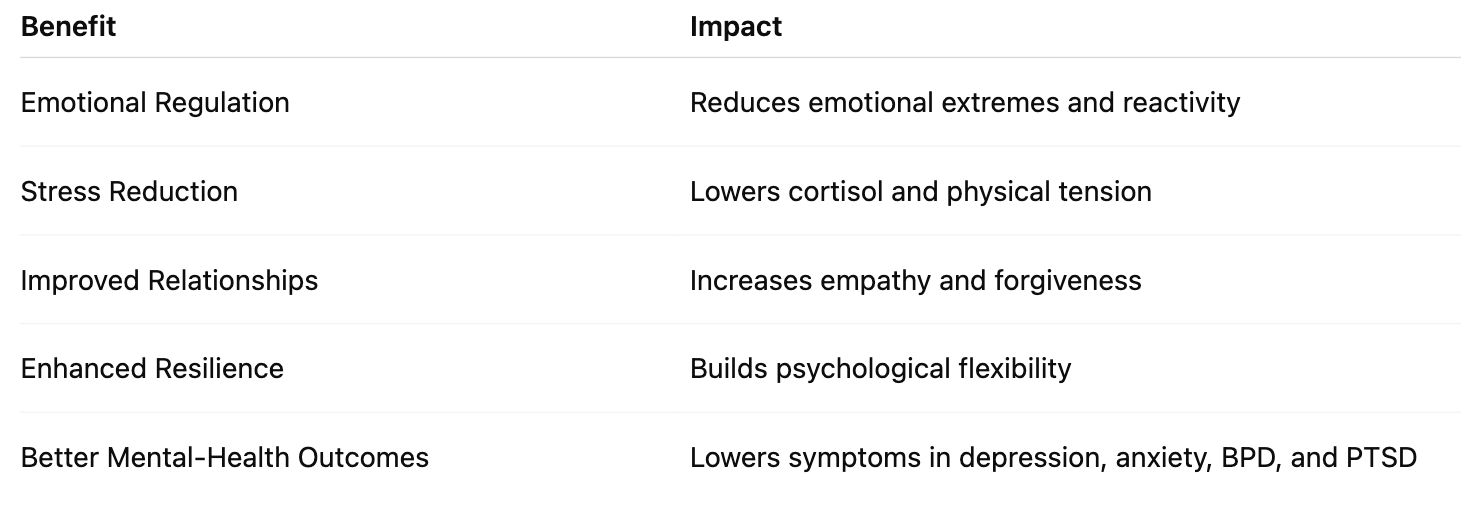
The Benefits of Radical Acceptance

Acceptance changes suffering into growth—it doesn’t erase pain, but it prevents pain from ruling your life.
Case Example
Case: A 29-year-old woman with BPD struggles with intense grief after a breakup. She constantly replays “what ifs” and avoids social contact.
Therapeutic Intervention: Her DBT therapist introduces radical acceptance—encouraging her to acknowledge loss without judgment. Through journaling and mindfulness, she learns to let go of self-blame and channel energy toward self-care.
Outcome: Within months, she reports improved sleep, emotional balance, and reduced impulsive texting. Pain remains—but suffering decreases.
Integrative Psych in Chelsea, NYC
At Integrative Psych, we help individuals move from resistance to resilience through evidence-based therapy and compassionate care. Our clinicians are trained in Dialectical Behavior Therapy (DBT), Cognitive Behavioral Therapy (CBT), and Acceptance and Commitment Therapy (ACT)—each of which includes radical acceptance as a healing principle.
We treat a wide range of conditions, including depression, anxiety, ADHD, OCD, BPD, eating disorders, trauma, and psychosis, emphasizing both acceptance and change.
Whether you’re learning to accept a loss, manage chronic stress, or build emotional balance, our team in Chelsea, NYC offers integrative, personalized support.